
Latest episodes and posts
-
166: Conservation and Science in 2024 – Housekeeping
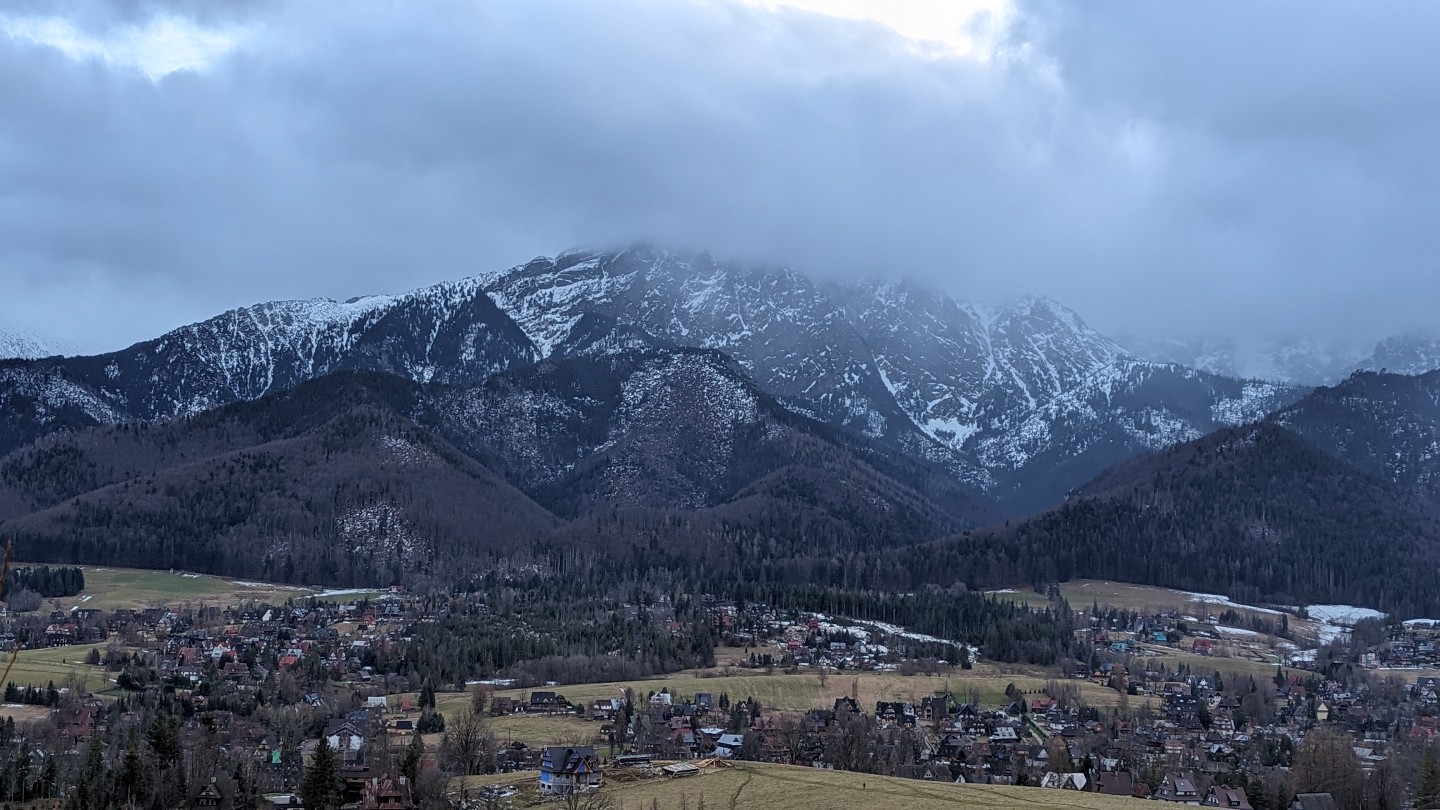
The new year has just started and I’m quick to treat you to yet another episode of the Conservation and Science podcast. Since it is this early in the year, it’s a good opportunity to give you an update about my plans for 2024 and what you can expect from the podcast. Listen to find out about changes to the episode release schedule, my writing and speaking efforts, and my future social media presence. In the second part of this…
-
165: Flicker in the Water with Bob Gonzalez
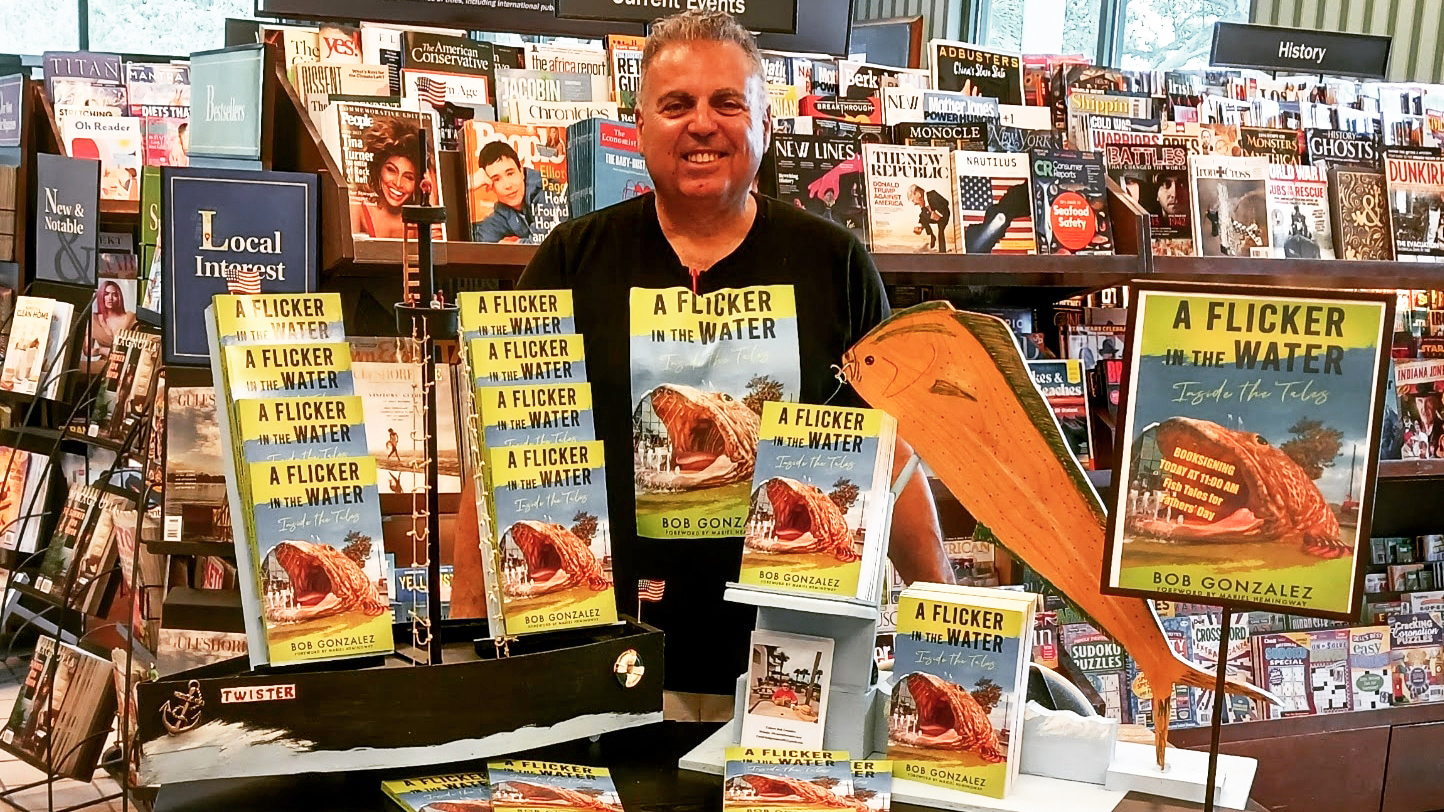
A Flicker in the Water is a book about fishing I wish someone had written a long time ago. I gotta admit that due to its small size, I initially underestimated it. However, as I started reading it, I was immediately drawn to the series of fishing stories and captivated by original, real-life photos. In fact, reading this book was so pleasurable that I ended up reading it twice over, back to back. I’m not kidding you! During my conversation…
-
164: Shotgun Conservationist with Brant MacDuff
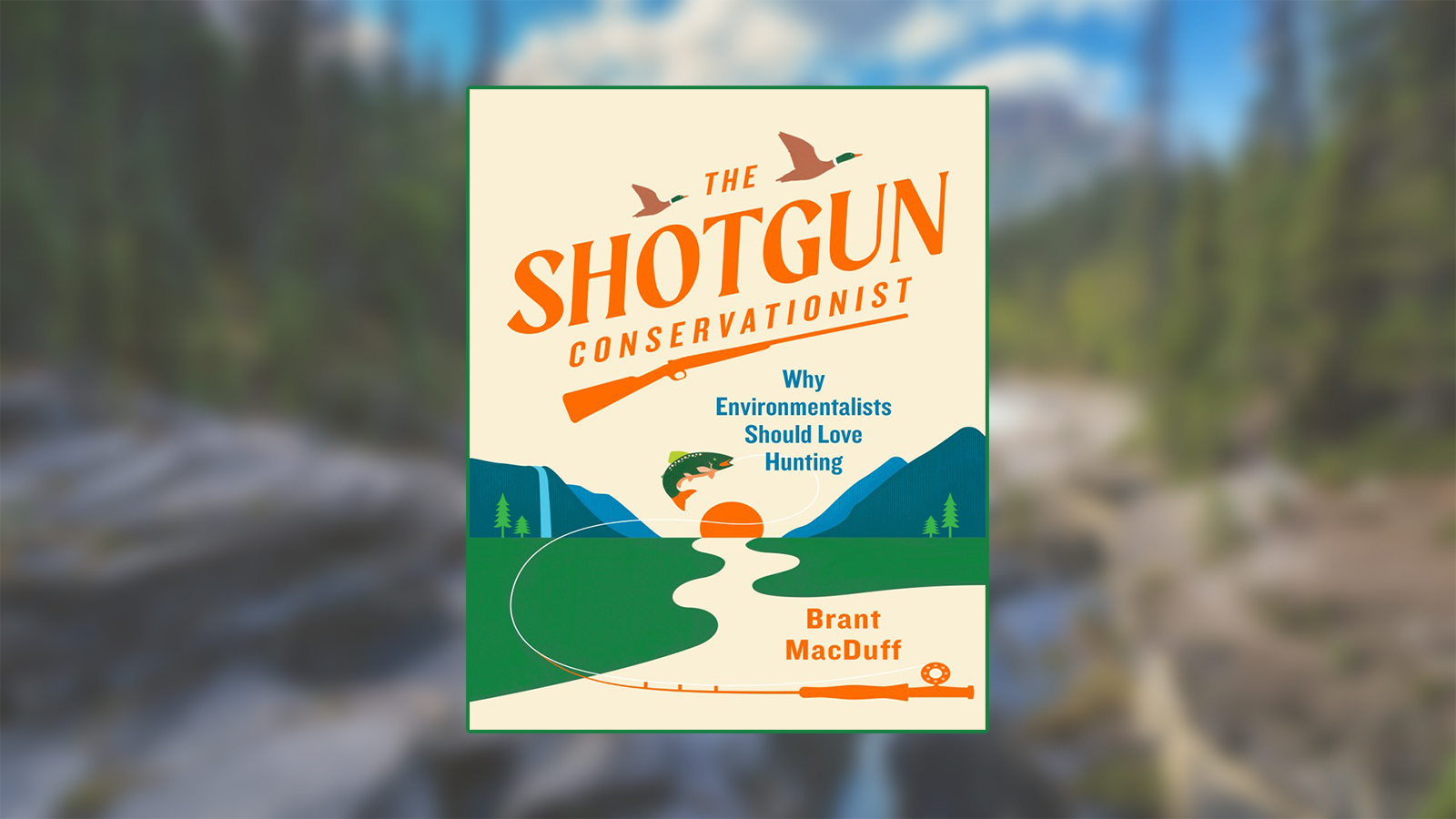
The story of Brant MacDuff, the author of the book under the title “The Shotgun Conservationist: Why Environmentalists Should Love Hunting” is in many ways similar to mine. We were both born and raised in the city without any contact or access to hunting. We overcame not insignificant obstacles to get into hunting later in life and both of us decided to share this experience with others who might want to do the same but don’t know where to start.…
-
163: The EU Review of Wolf Protection Status
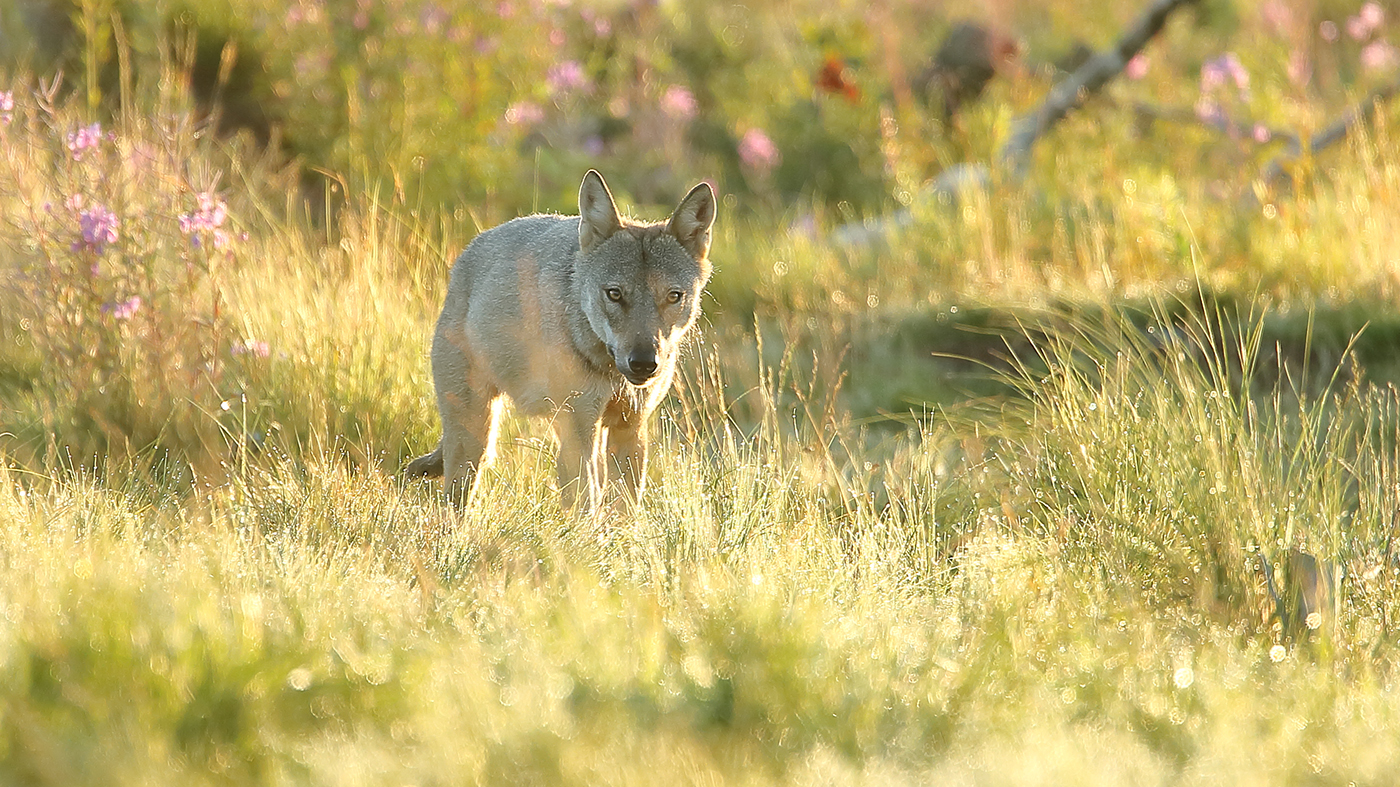
The human-wildlife conflict with wolves has been brewing on the ground in the EU for some time. On the one hand, it has been fueled by a remarkable recovery of wolves across the continent, and on the other, by politicians trying to hijack it for their political gains. In September 2023 the European Commission invited “local communities, scientists and all interested parties” to submit the latest data in order to review the conservation status of wolves and decide whether to…
-

162: Sheep, Soil and Biodiversity with Suzanna Crampton
The impact of farming on nature is one of the most contested subjects. The negative impact on biodiversity and soil health is juxtaposed with food security and benefits to certain species of wildlife. But does it have to be one or the other? Join me for the conversation with Suzanna Crampton who is one of the most recognisable figures in Irish agriculture. She graduated from Sterling College in Vermont, where she studied agricultural and environmental sciences and learned about farming…
-
161: Archery Insights with Jim Clark
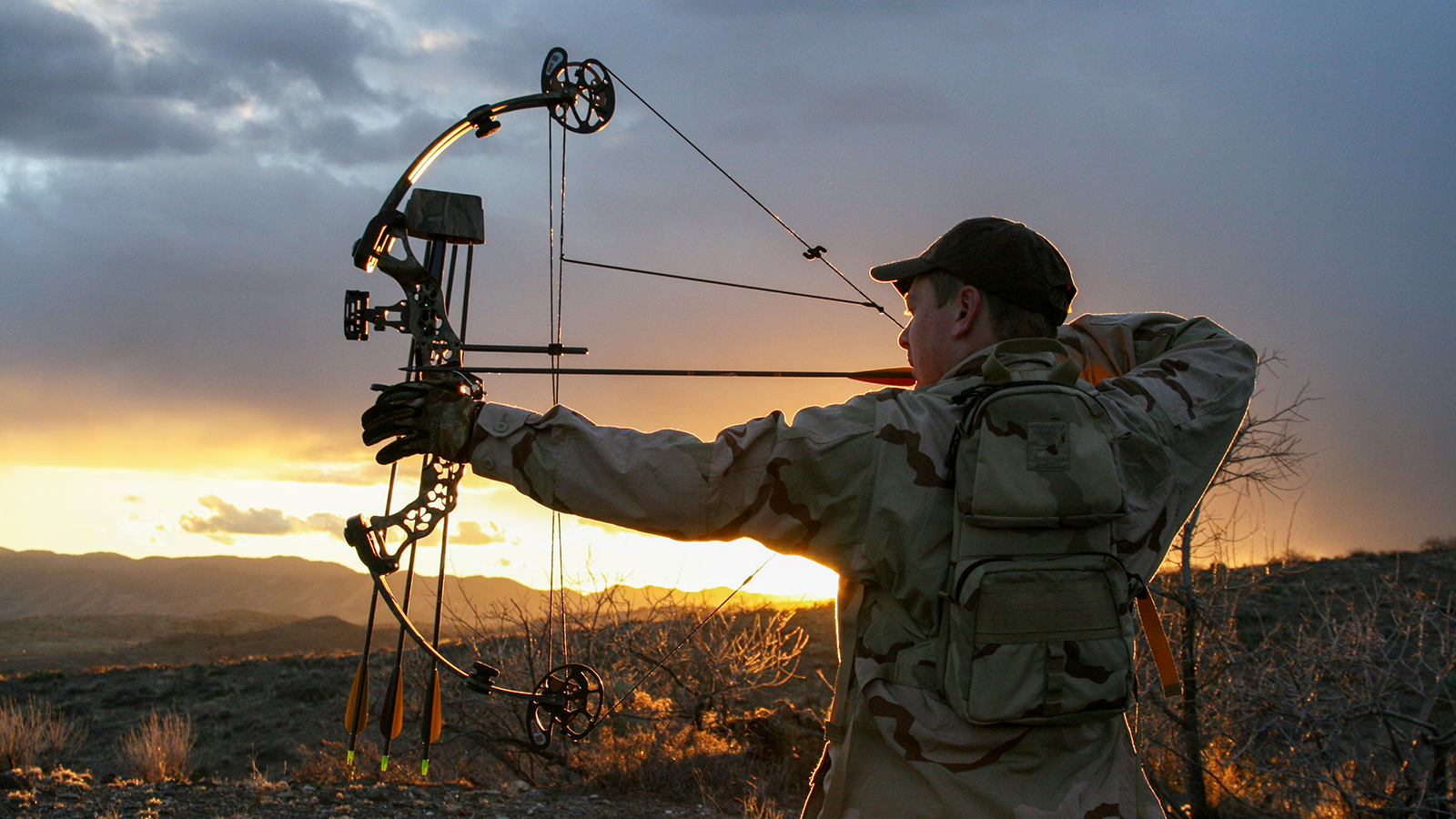
It feels like I’m one of the only very few who talks about bowhunting with European listeners in mind. Indeed, I would like to see hunting with archery tackle being legalised and popularised on the old continent. In my view, the notions that it’s inhumane or somehow unethical are ill-advised and plain wrong. It is especially disturbing when such unwise opinions are expressed with confidence by hunters or veterinary practitioners who have no experience or previous exposure to bowhunting. To…
-
Mark Avery’s Reflections – A Book Review
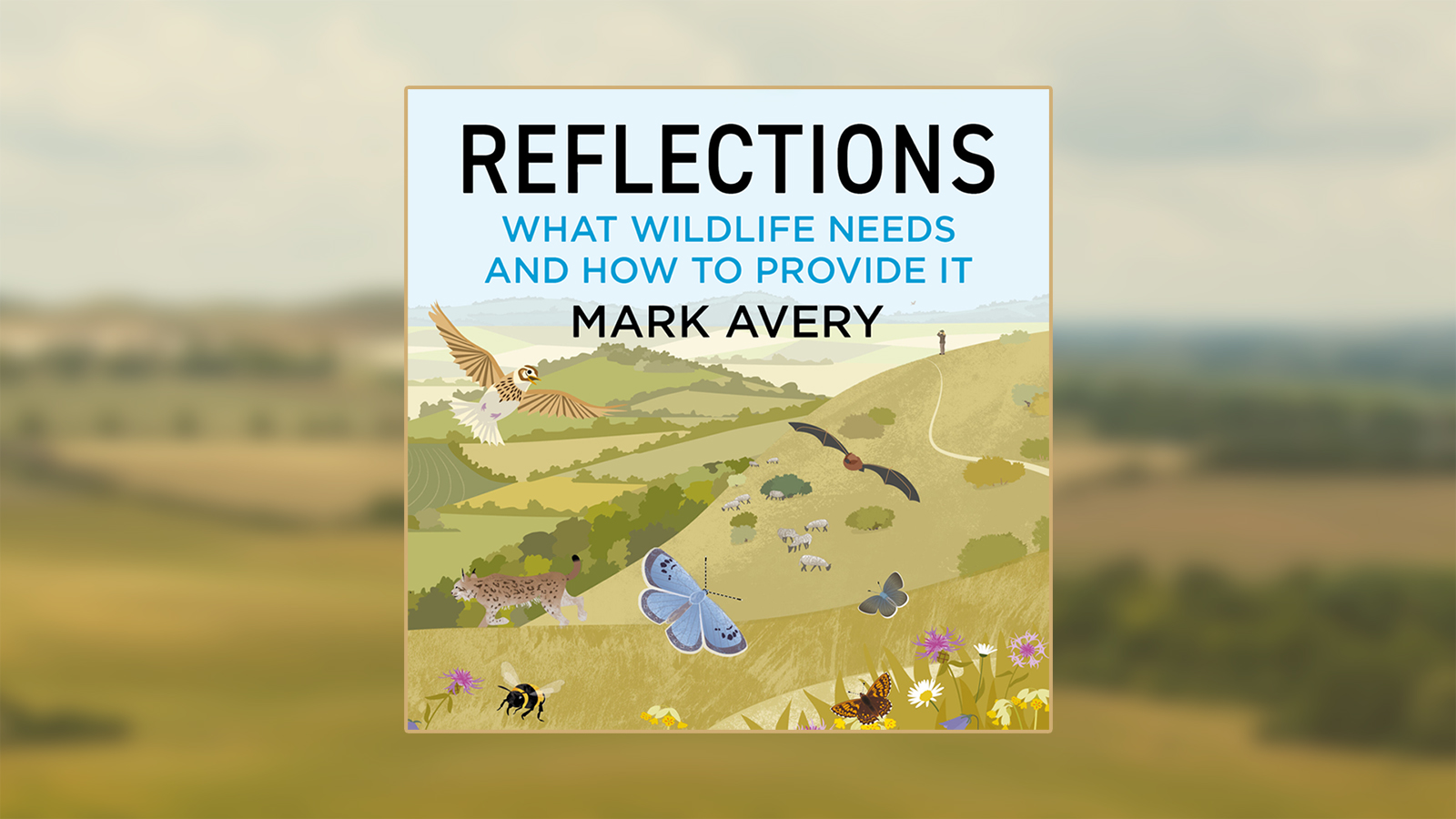
Mark Avery, a prolific author, senior UK conservationist, and independent campaigner, is well-known for writing book reviews on his blog. Those, like me, who read his reviews in search of their next book might be saddened by the fact that it would be awkward for Mark to write a review of his own work. So, someone else had to do it. You’re welcome. From what I can tell, about half of my audience are big fans of Mark and his…
-

160: Safari Club International with Ben Cassidy
Safari Club International (SCI) is one of the world’s most prominent hunting organisations. They pride themselves on being the leader in defending the freedom to hunt and promoting wildlife conservation across the world. Their tagline, “First for Hunters” says it all, really. Today, we continue the exploration of the public perception of hunting, the issue of social license to hunt and some current topics related to hunting. Certain issues such as the use of lead in hunting ammunition or the…
-
159: Polar Bears in a Warming World with Andrew Derocher
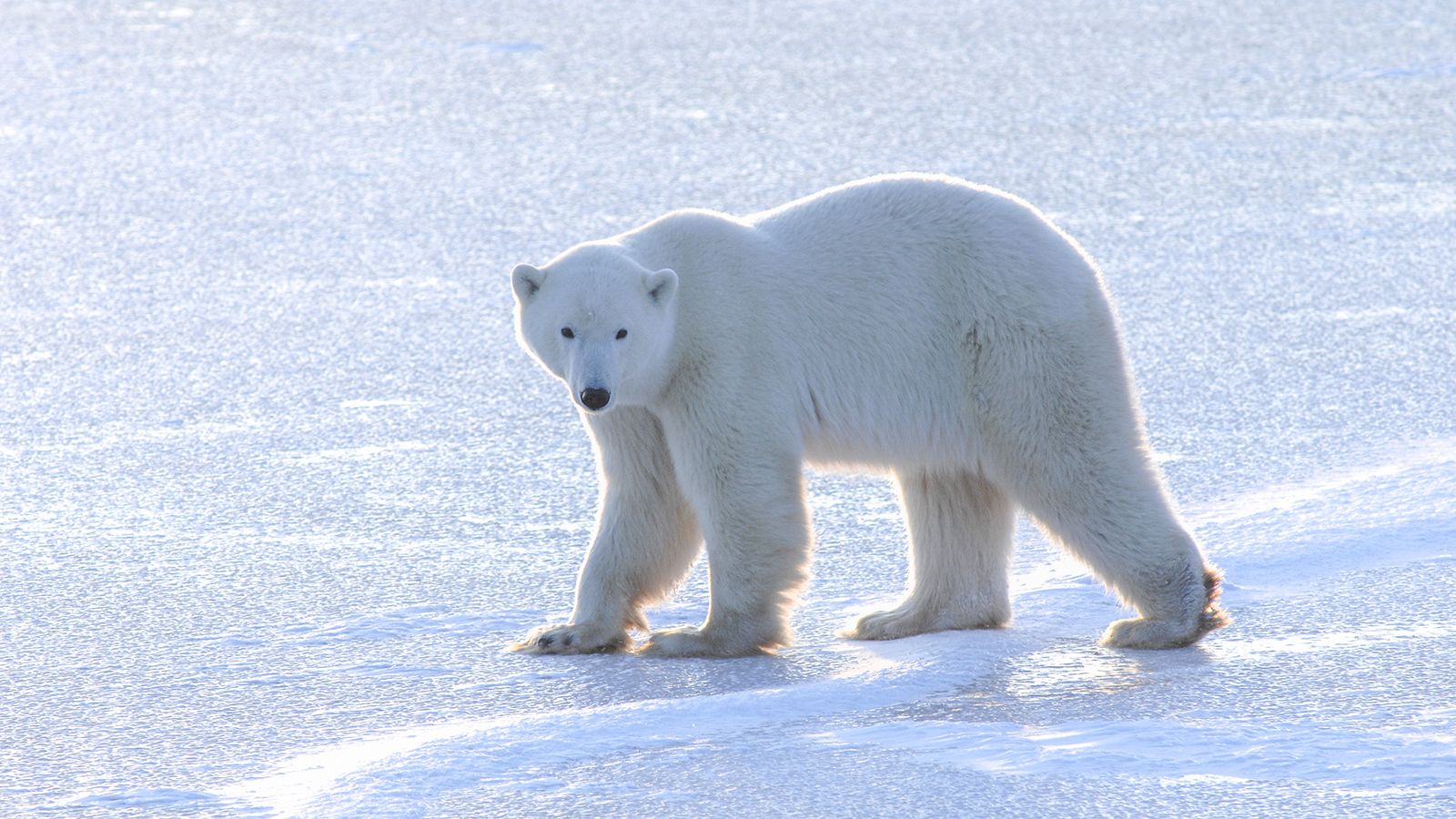
Last week I published a blog post where I set out to answer the question of whether polar bears are facing impending extinction due to climate change or are they, in fact, doing better than ever. Around the time when I was investigating this question, I got in touch with Professor Andrew Derocher from the Department of Biological Sciences at the University of Alberta, who has studied polar bears for over 40 years. He specialises in ecology, conservation, and management…
-
Are Polar Bears Going Extinct or Are Their Populations Doing Better Than Ever?
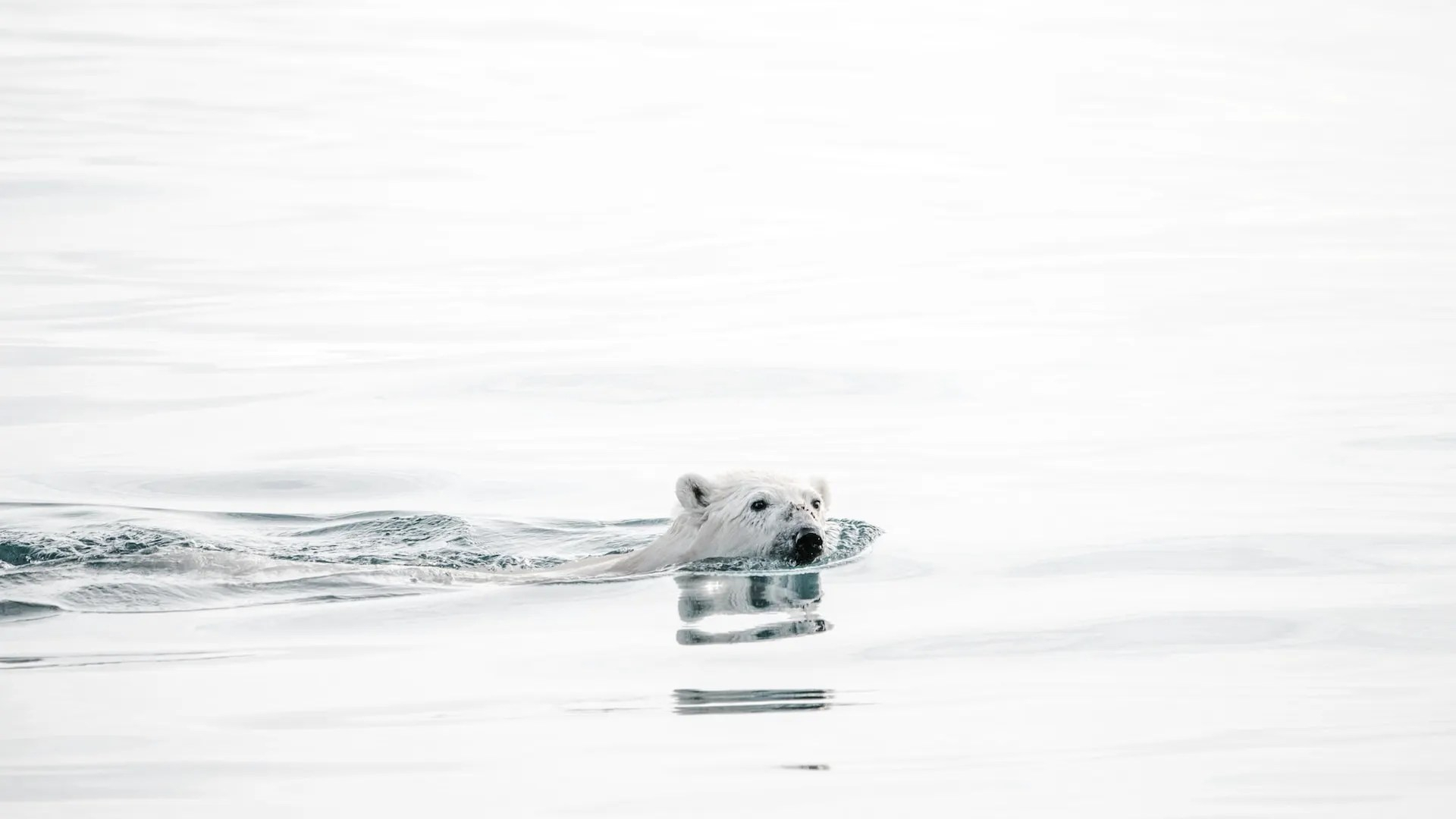
Lately, a few listeners sent me links to blogs and videos suggesting that polar bears are thriving, which, some argue, is concealed by environmental groups to avoid undermining public action on climate change. This is something I’ve heard before, so I decided to do some digging. Disclaimer: I’m not a polar bear biologist, so I’m open to corrections and feedback. However, I genuinely sought out relevant information. Here is what I found. It’s true that some polar bear populations are…