
Latest episodes and posts
-
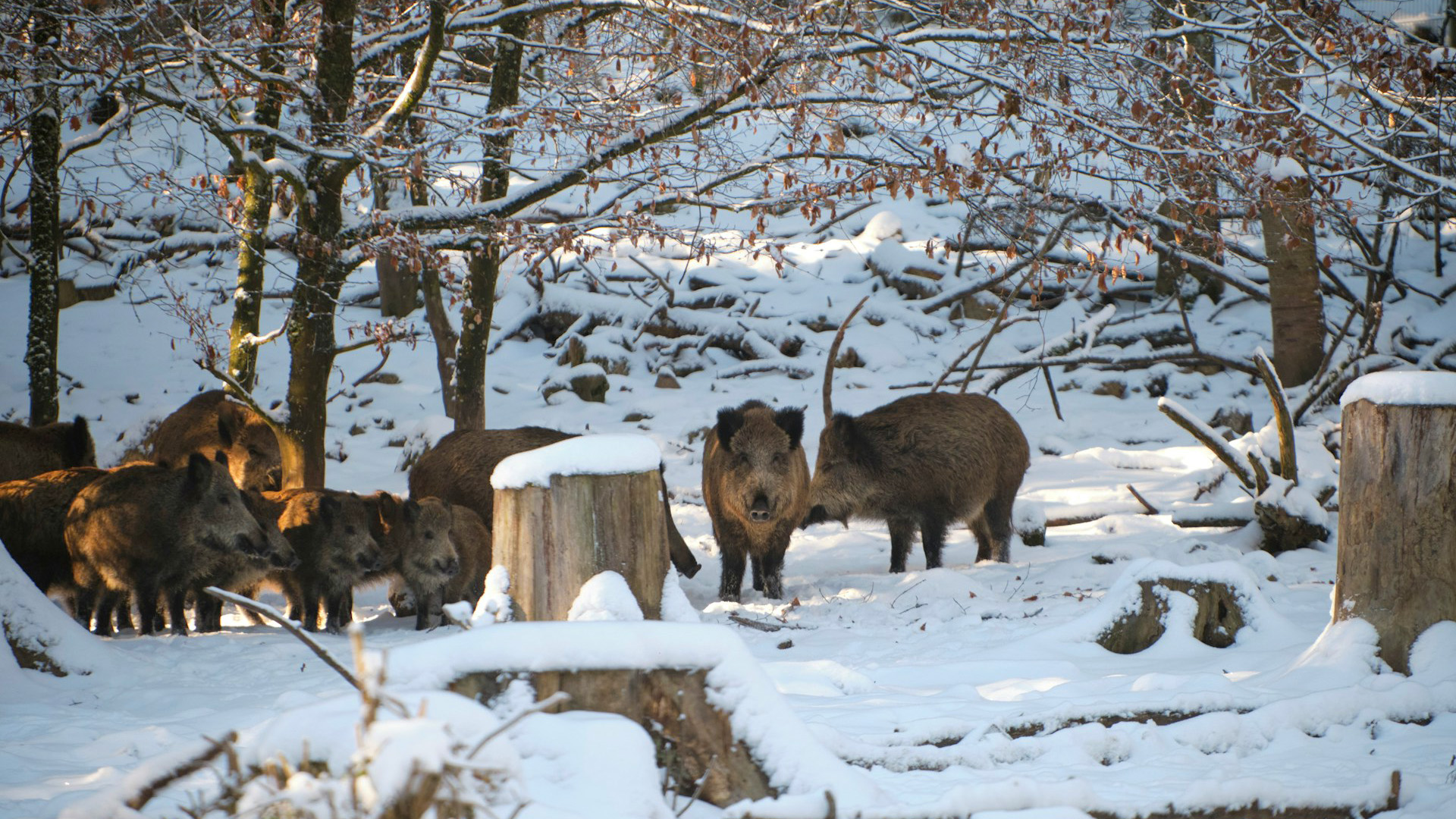
234: Wild Boar in Scotland with Toryn Whitehead
Is it a wild boar or a feral pig in the Scottish Highlands? Does it really matter what we call it? And how can an animal that was once native end up on the list of non-native invasive species? In ten years of this podcast, wild boar came up many times in episodes about hunting, genetics, rewilding and even swine fever, yet we never had an episode dedicated to them. Today we fix that. Descendants of animals that escaped or…
-
233: Eat Venison, Grow Carrots – Éanna Ní Lamhna on Nature and Farming
Why does the blackthorn along our motorways flower weeks before the blackthorn in the hedgerows? How did Ireland end up with so many deer, and would bringing back the wolf solve the problem? And are farmers really the villains that some headlines make them out to be? Every now and then there is an episode with a guest who needs no introduction, and this is one of them. I’m joined by Éanna Ní Lamhna, biologist, broadcaster, Irish Times columnist and…
-

232: Wildlife Law in Europe with Caroline Cox and Meganne Natali
What does the label ‘protected area’ actually tell you about what is being protected? How did the wolf lose its strict protection status in the EU? And what about a legal system that looks strong on paper but leaves animals exposed on the ground? Those questions sit at the heart of ‘Protecting Wildlife in Europe: A Comprehensive Analysis of Legislative Frameworks and Their Shortcomings’, a paper published in July this year in the Journal of International Wildlife Law and Policy.…
-

An Irish Atlantic Rainforest: Notes from a premiere I attended six months ago
I have waited a long time to write this piece. It is about Eoghan Daltun and Gary Lennon’s film titled An Irish Atlantic Rainforest. Given the film’s continued success and now that it has hit the mass media on the RTÉ Player, it strikes me that maybe the best time to write this piece was shortly after I watched it. But the second best time is now. This is not a review as there are plenty of those, but rather…
-
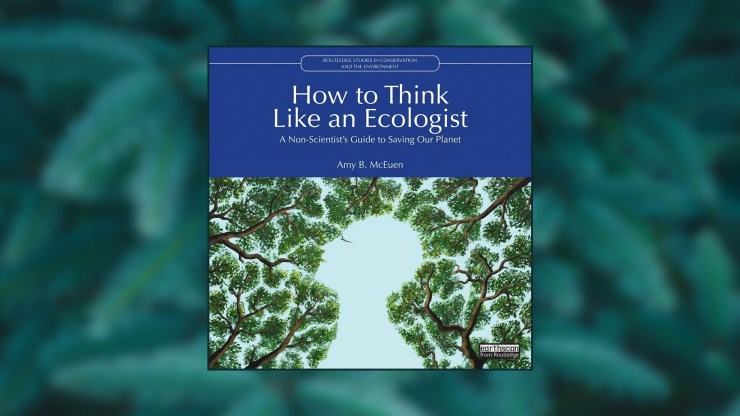
231: How to Think Like an Ecologist with Amy McEuen
How do you tell solid science from something dressed up to look like it? Are we living through the sixth mass extinction? And why is the climate crisis not the worst of the planetary boundaries we have crossed? My guest today is Amy McEuen, a professor of Biology at the University of Illinois Springfield, where she has taught environmental biology, ecology and conservation biology for more than twenty years. Her book, ‘How to Think Like an Ecologist: A Non-Scientist’s Guide…
-
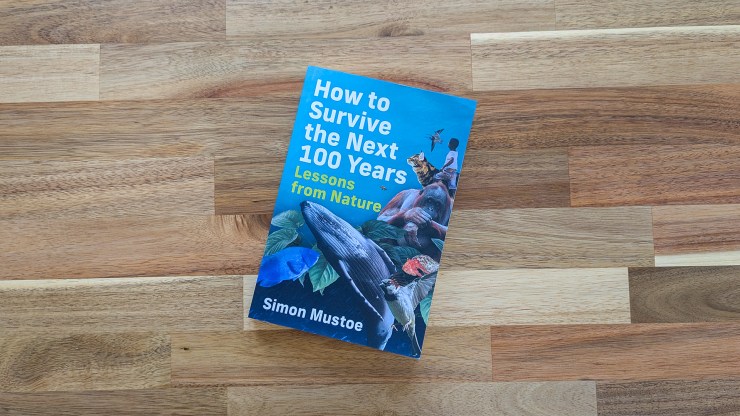
230: Lessons from Nature with Simon Mustoe
Why do we feel so hopeless about the future of the natural world? Is nature really collapsing everywhere we look or have we simply been told a one-sided story? And what if our lack of control over ecosystems turns out to be our greatest strength? In this episode I welcome back expert ecologist and author Simon Mustoe to talk about his new book, ‘How to Survive the Next 100 Years: Lessons from Nature’. It picks up where his previous book…
-

229: Biogeotherapy with Benoit Lambert
What if the environmental movement has badly underestimated our ability to solve the climate crisis? Could renewable energy grow so fast that we are out of fossil fuels within a decade? And once emissions fall away, how do we deal with the carbon already in the atmosphere? In this episode I’m joined by Benoit Lambert, author of the book titled ‘Biogeotherapy: nature-based climate solutions, life as a geological healing force’. Benoit has a rich and varied background, from planting four…
-
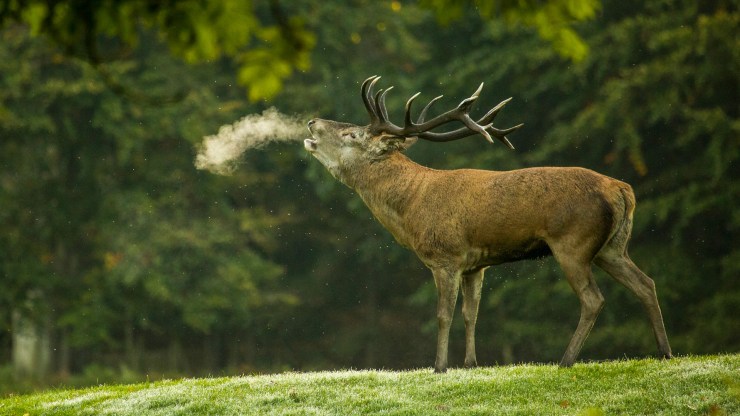
228: Red Deer and Habitat Connectivity with Frank Zabel
Why are red deer populations in Germany growing in number and antler size yet sitting in deep genetic trouble? What is the difference between census population size and effective population size, and why does it matter? And how can a satirical award for the worst-built wildlife crossing draw attention to the issue of habitat fragmentation? In this episode, I sit down with Frank Zabel, a wildlife biologist, campaigner, and co-host of the award-winning JAGDcast podcast. Frank also runs the nonprofit…
-

227: Rewilding At the Edge with Peter Cairns
What has shifted in rewilding over the past five years? Why do recovery of species like lynx, beavers and wolves trigger reactions that go far beyond the animals themselves? And what is the real obstacle to bringing lynx back to Scotland, the ecology, the bureaucracy, or something much harder to name? In this episode, our returning guest is Peter Cairns, co-founder and former Executive Director of SCOTLAND: The Big Picture, board member of Trees for Life, public voice for the…
-

226: Building Community Resilience with Transition Kerry
What makes farmers reluctant to talk about climate change, even though they see its effects first-hand? Can a trip to the Arctic change how you look at a small river in Kerry? And why might ‘community first, environment second’ be the right way round? These are some of the questions we explore in the second episode of the series following the Community Climate Adaptation and Resilience Programme in Kerry. This episode is a progress check on how the programme is…