
Why are elephants dying slow deaths from starvation in African parks? Can contraceptives really solve wildlife overpopulation in fenced reserves? What happens when international animal rights organisations influence conservation decisions from thousands of miles away? These are the uncomfortable questions at the heart of one of conservation’s most contentious debates.
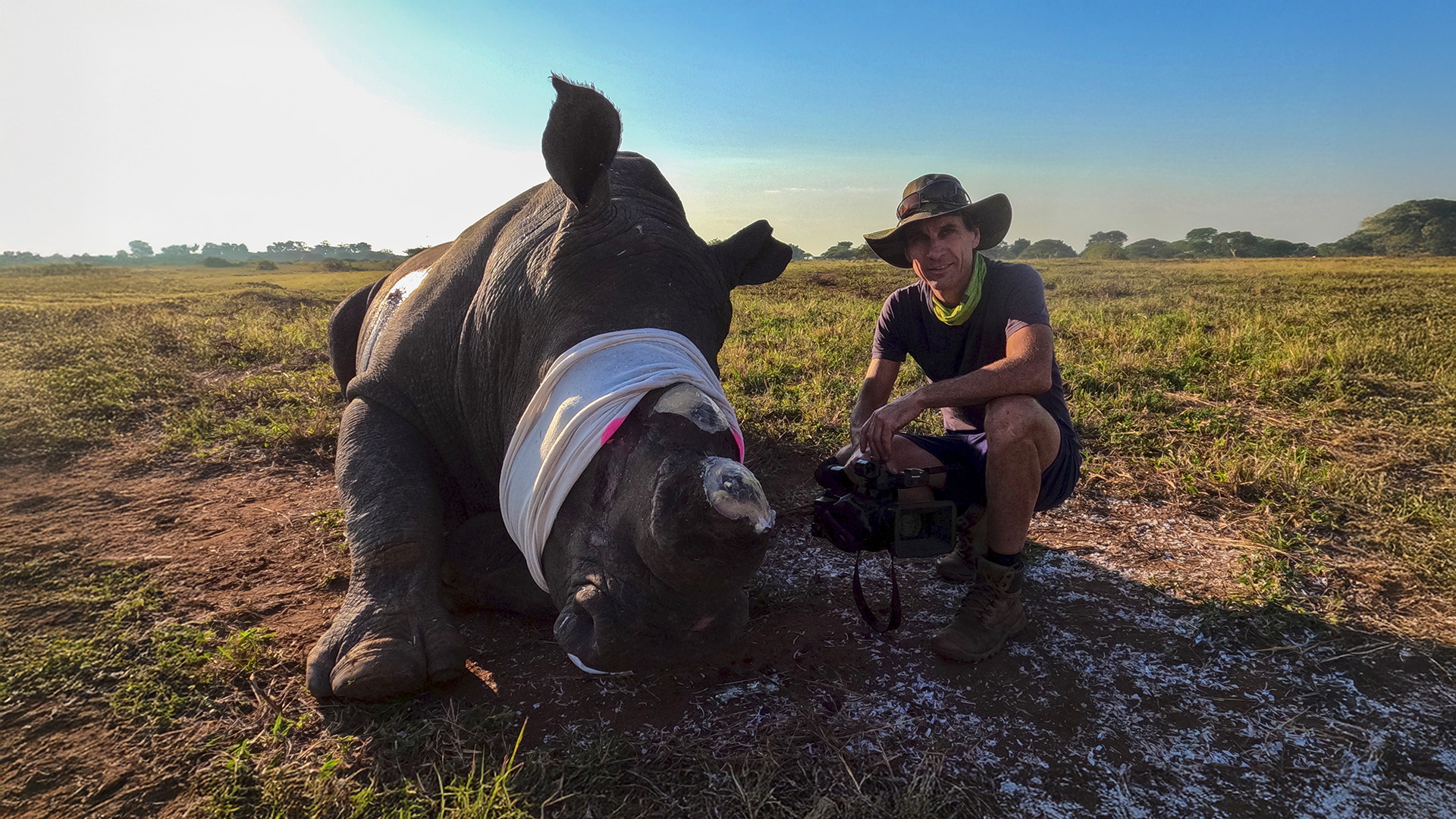
Ryan Davy spent 30 years working in African conservation, starting as a 16-year-old volunteer in KwaZulu-Natal’s remote game reserves. From those early days confronting poachers and negotiating with local communities, he witnessed firsthand how conservation policies play out on the ground. Now, as a wildlife filmmaker who has worked for National Geographic and Discovery, Ryan brings a unique perspective to the elephant culling debate through his upcoming documentary “The Culling Conundrum.” His journey from animal rights supporter to someone advocating for population control reflects the complexity many conservationists face when confronted with ecological realities.
Our conversation explores the practical impossibilities of alternative solutions to overpopulation. Ryan walks through a hypothetical game where listeners manage their own 75,000-hectare reserve, facing the stark choice between letting animals starve or making difficult management decisions. We examine the failed elephant translocation in Malawi, where 12 people died and 80 elephants went missing after an international organisation moved 262 elephants into unsuitable habitat. The discussion also covers the influence of well-funded animal rights campaigns on conservation policy, the disconnect between international activism and local realities, and the economic pressures facing private game reserves. Ryan argues for finding common ground between opposing camps, emphasising that sustainable conservation requires honest dialogue about uncomfortable topics rather than ideology-driven positions.
Leave a Reply