
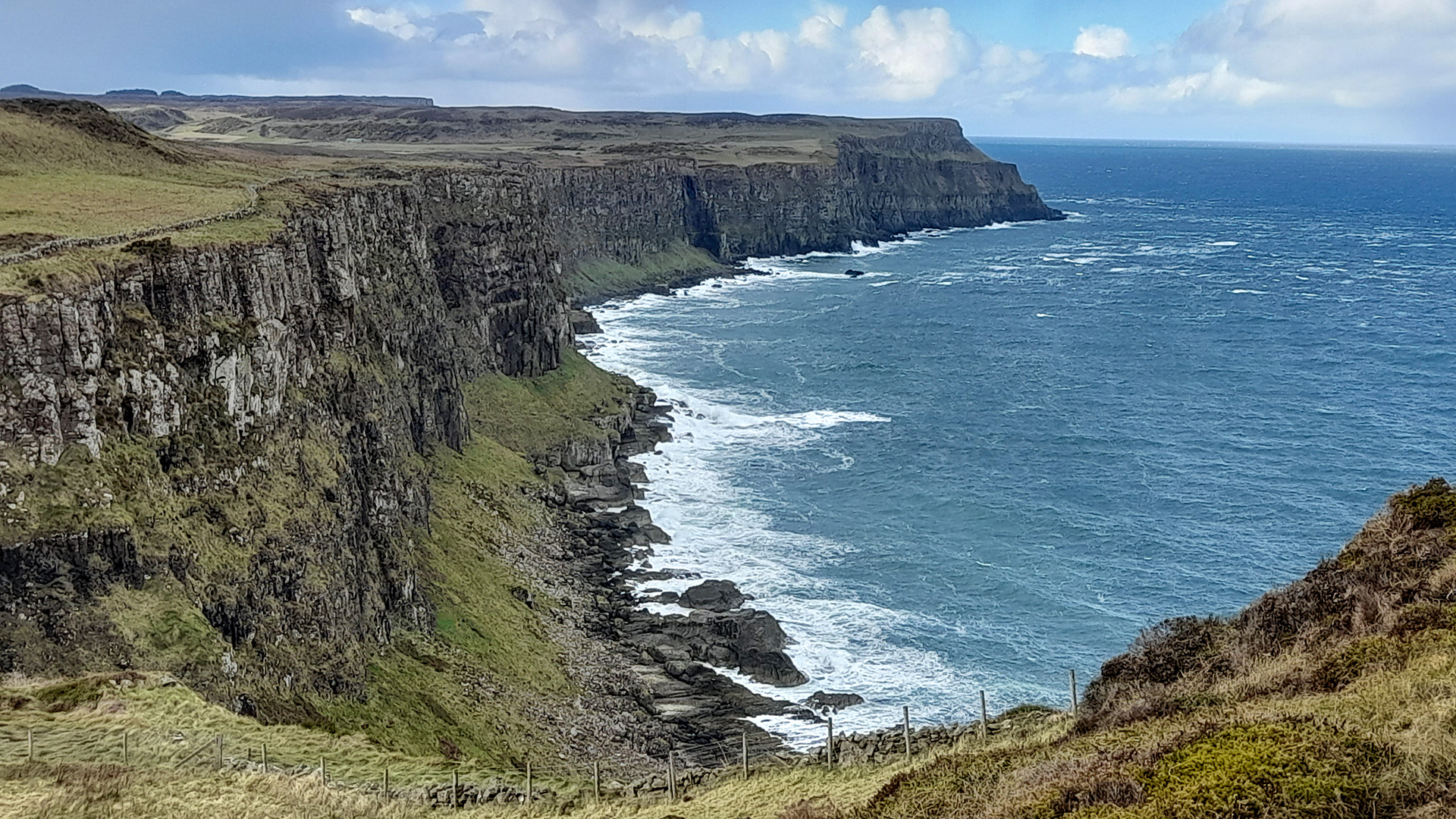
What are the ethical considerations when eradicating invasive species from an island? How do you develop wireless technology to monitor hundreds of traps across difficult terrain? Why do conservation projects like this cost so much more than people expect? These are some of the questions we explore in our conversation about the LIFE Raft project on Rathlin Island, Northern Ireland’s only inhabited offshore island.
Our guest is David Tosh, a Lecturer in Terrestrial Ecology at the School of Geography and Environmental Sciences, Ulster University. David led the ambitious effort to eradicate feral ferrets and brown rats from Rathlin to protect internationally important seabird colonies. The ferrets were introduced in the 1980s to control rabbits but instead devastated ground-nesting bird populations. David explains the complexities of targeting two species simultaneously using different methods, the development of wireless platforms to monitor traps remotely, and where the money actually goes in projects like this. Success came faster than expected, with Manx shearwaters breeding on Rathlin for the first time in decades, just months after the eradication was completed.
Beyond the technical achievements, our conversation explores the social dimensions that often determine whether conservation projects succeed or fail. David shares why the most important measure of success isn’t just the return of seabirds, but whether the organisations involved can maintain trust and partnership with the islanders. We discuss the frustrations of five-year funding cycles for projects that require decades of commitment, and what it takes to ensure Rathlin remains ferret-free and rat-free for generations to come.
The views and opinions expressed in this podcast are those of the individual participants and do not necessarily reflect any organisation’s official policy or position. The participants are expressing their personal opinions and perspectives.
Leave a Reply