209: Beavers vs Salmon – Balance the Scales with Rob Needham

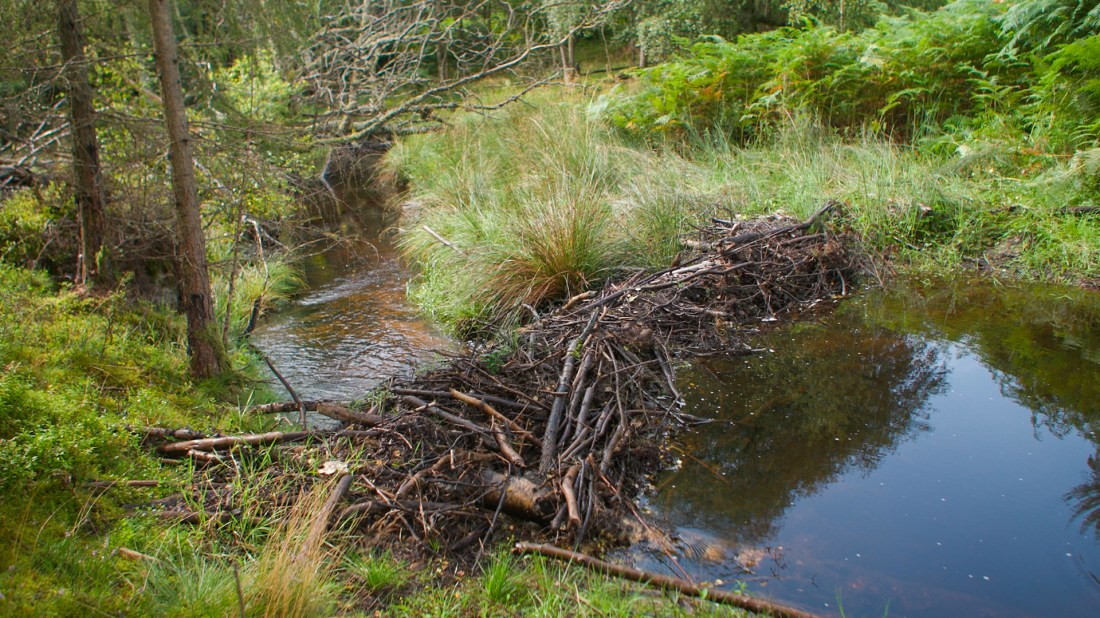
This image shows a beaver dam in a natural woodland setting. The dam is constructed from intricately woven branches, twigs, and logs that the beavers have gathered and arranged to block the flow of a small stream or creek. You can see how the structure has created a pond on one side, with calm, reflective water, whilst on the other side there's still flowing water continuing downstream.

https://open.spotify.com/episode/2K6kymjt1W2diGncubxAil Can beavers save Britain's dying rivers? Are these ecosystem engineers the key to reversing the catastrophic decline of Atlantic salmon, or do their dams create impassable barriers for struggling fish populations? With salmon numbers plummeting by 70% in just 20 years and predictions they could vanish entirely within two decades, the stakes couldn't be … Continue reading 209: Beavers vs Salmon – Balance the Scales with Rob Needham

207: Land Access and Irish Trails with John Smyth

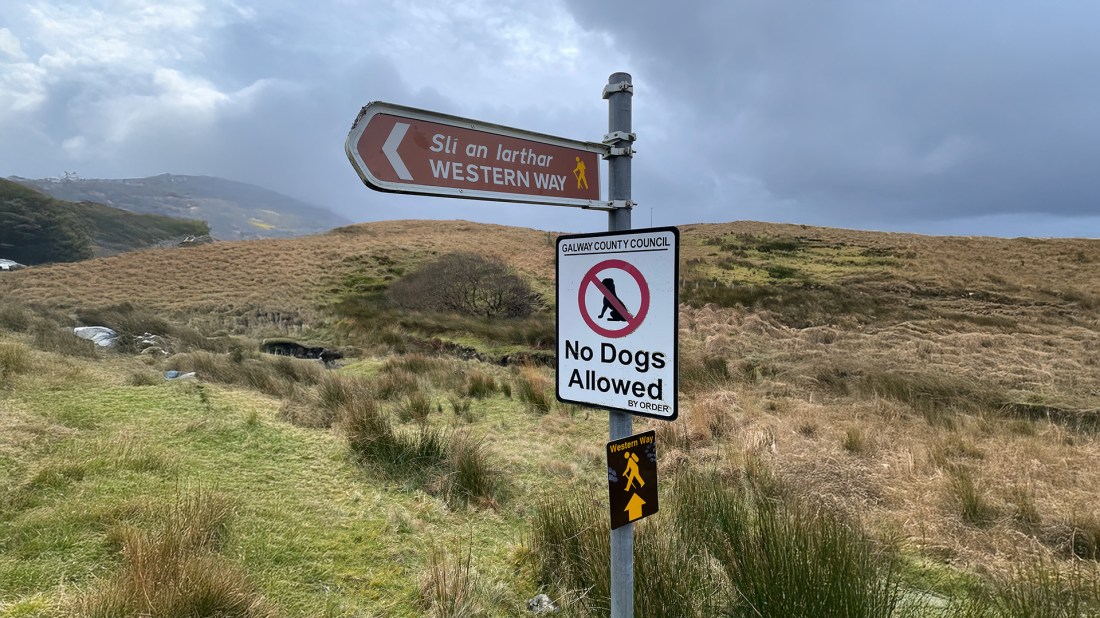
A directional sign for the Western Way (Slรญ an Iarthar) walking trail points left across a rugged Irish landscape of golden-brown moorland and rolling hills. Below it, a Galway County Council sign prohibits dogs from the area. The countryside stretches into the misty distance under an overcast sky, with patches of green grass in the foreground and traditional Irish stone walls visible amongst the heath.

https://open.spotify.com/episode/155i19XSryH8hPBTiiQ7NU Why are no trespassing signs appearing on Irish mountains that hikers have accessed for decades? Can walkers really sue farmers when they injure themselves on private land? What happens when busloads of tourists arrive at remote trailheads with no permission from landowners? Our guest John Smyth, a hiker with 20 years' experience in Connemara … Continue reading 207: Land Access and Irish Trails with John Smyth

204: The Elephant Translocation Disaster with Jens Ulrik Hรธgh

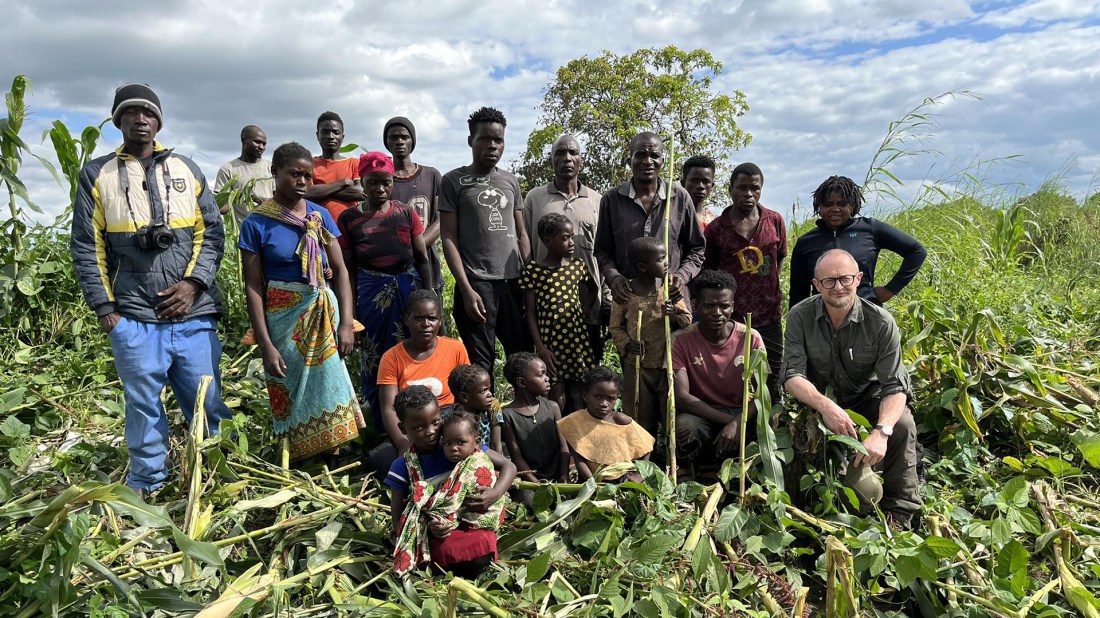
A group photo of approximately 20 Black people from a rural African community, including adults and children, standing and sitting together in a lush agricultural field. The group appears to be a farming community, with people of various ages wearing casual clothing in bright colours including orange, blue, yellow, and traditional patterned fabrics. In the foreground and surrounding the group are green crops including what appears to be maize plants and other vegetables. The setting suggests a rural farming area with rich, fertile soil. On the right side of the group stands a white journalist with glasses wearing olive-green clothing. The sky overhead is partly cloudy, and there are trees visible in the background. The image captures what appears to be a community gathering or visit to showcase local agricultural work.

https://open.spotify.com/episode/7M2rtUYPfW5shNdwOgzjTb How does a wealthy animal welfare organisation, funded by well-meaning donors from Europe and North America, end up relocating hundreds of elephants to an area where some of the world's poorest people live? What happens when two people are killed within 24 hours of the first four elephants arriving, yet the organisation presses on … Continue reading 204: The Elephant Translocation Disaster with Jens Ulrik Hรธgh

202: Uncommon Ground with Patrick Galbraith

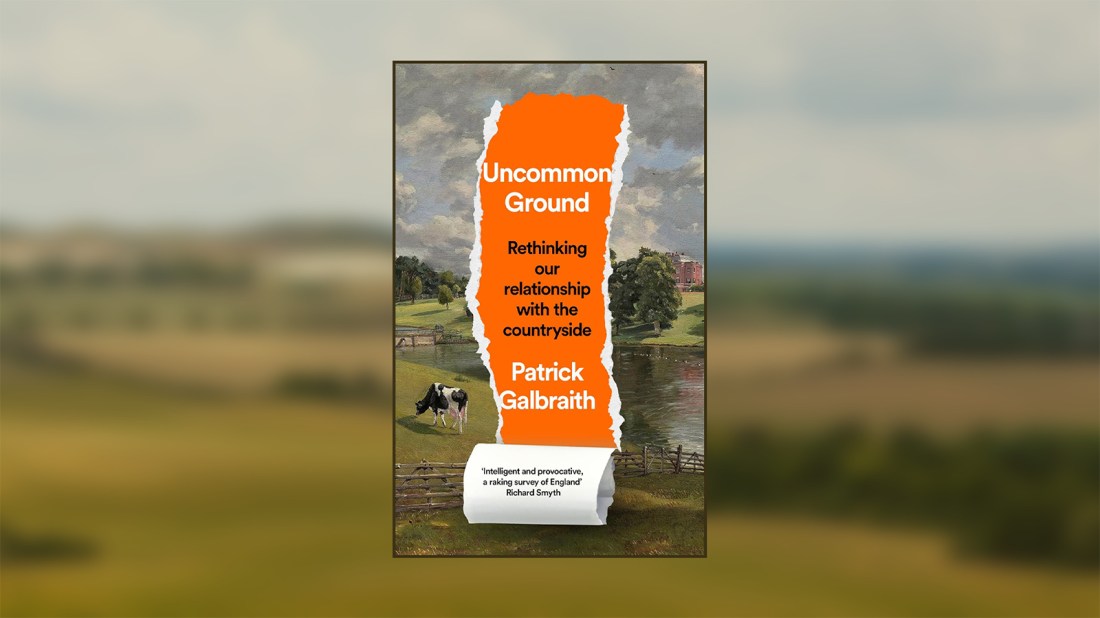
The image shows a book cover for "Uncommon Ground" by Patrick Galbraith. The cover features an orange torn paper effect against a pastoral English countryside background with green fields, trees, and a small river or pond. A cow grazes in the foreground, and there's a wooden fence visible. The subtitle reads "Rethinking our relationship with the countryside" and includes a quote at the bottom from Richard Smyth describing it as "Intelligent and provocative, a raking survey of England."

https://open.spotify.com/episode/2ME1jr6gLkgEAYzqvATDKZ Are we being locked out of the countryside, or is the narrative around land access more complex than it seems? How can we navigate the competing demands of farmers, conservationists, and recreational users? In Patrick's new book "Uncommon Ground: Rethinking Our Relationship with the Countryside", he tackles the contentious topic of land access in … Continue reading 202: Uncommon Ground with Patrick Galbraith

Podcasthon: IWDG and IWT

The image shows a promotional banner for "Podcasthon," a global charity event featuring thousands of podcasts over 7 days from March 15-21, 2025. Two podcast hosts wearing headphones are smiling and recording, with one person having curly hair and wearing an orange and blue striped shirt, and another with a shaved head. The banner has a purple and blue gradient design with the Podcasthon logo in the top left. There's a call-to-action button saying "Sign up my podcast!" and the website podcasthon.org is listed at the bottom. The banner also shows logos for sponsors or partners including "POSITIVE" and "tgs."

https://open.spotify.com/episode/429ZzIcs28IofOAqOeQSfl Irish Whale and Dolphin Group and Irish Wildlife Trust.This episode is part of the global Podcasthon initiative, in which podcasters worldwide dedicate one episode to their chosen charity. To maximise impact, all episodes are published in a single week. Iโ€™m showcasing two of the most influential Irish environmental charities: the Irish Whale and Dolphin … Continue reading Podcasthon: IWDG and IWT

197: Living with Lynx – Conversation with Jonny Hanson

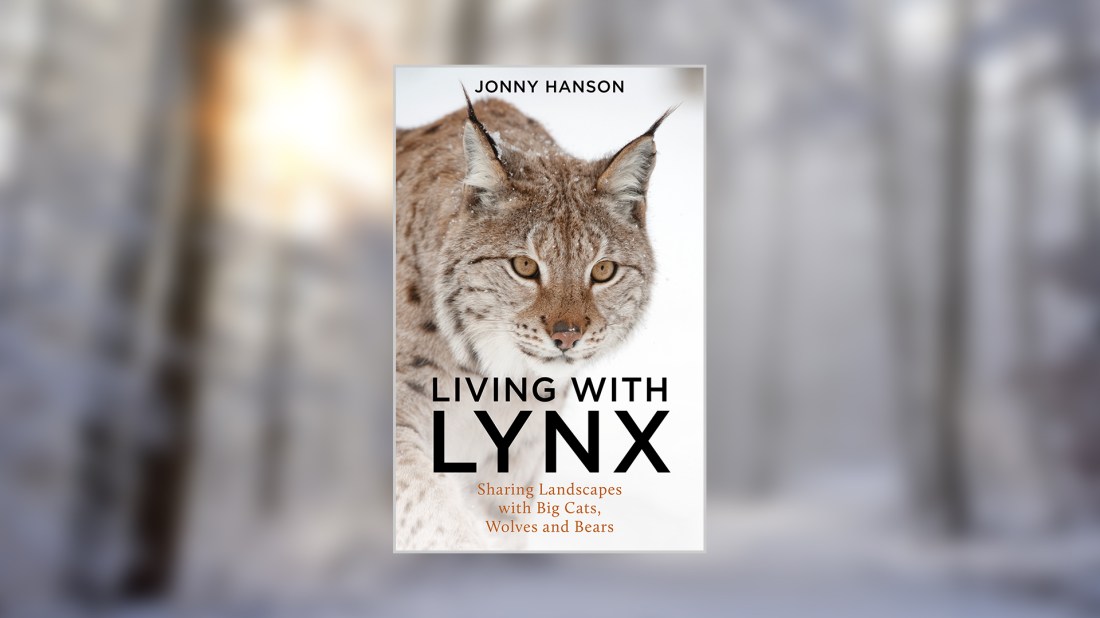
This image shows a book cover titled "LIVING WITH LYNX" by Jonny Hanson. The cover features a close-up photograph of a lynx's face, showcasing its distinctive tufted ears, facial markings, and amber eyes. Below the main title is the subtitle "Sharing Landscapes with Big Cats, Wolves and Bears". The background appears to be a blurred winter or snowy landscape, emphasising the natural habitat of these animals. The cover uses a clean, modern typography with the author's name at the top and the title prominently displayed in large black letters across the middle of the image.

https://open.spotify.com/episode/5eSwvZrhlgfkjNX9bIm5Ds Is it possible for humans and large carnivores to share landscapes without conflict? What happens when predators like wolves, bears, and lynx return to areas where they've been absent for centuries? How do we balance the ecological benefits of apex predators with the real concerns of rural communities and farmers? Weโ€™re trying to answer … Continue reading 197: Living with Lynx – Conversation with Jonny Hanson

195: Can Hunting Foster Environmental Stewardship? Conversation with Thorsten Gieser

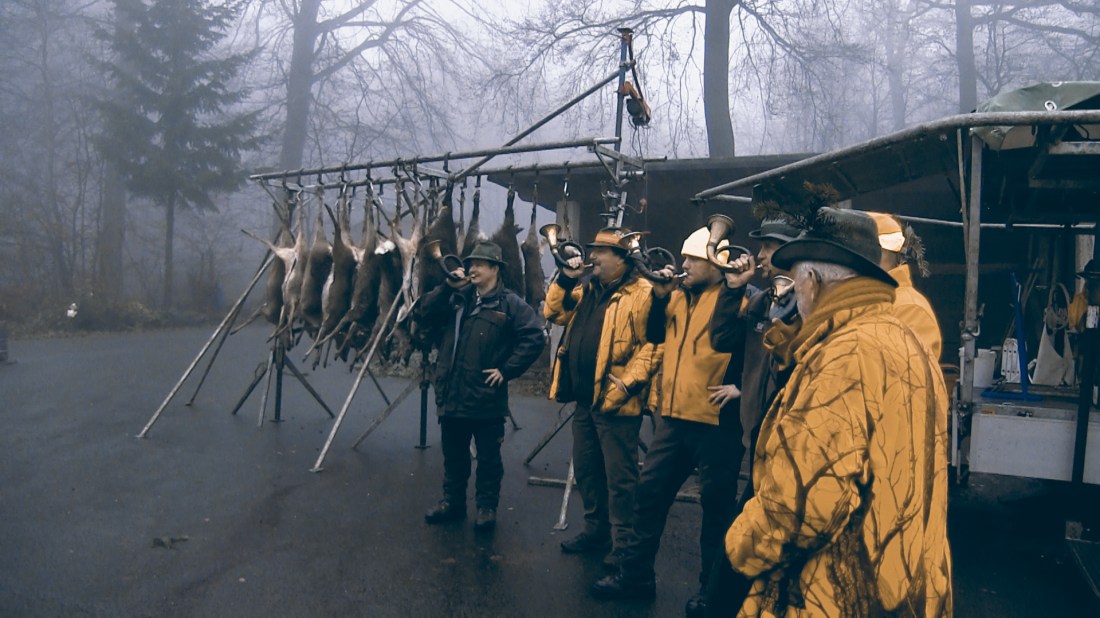
A group of hunters standing in a line wearing yellow hunting jackets and dark trousers, with some wearing hunting hats. Behind them hangs a row of harvested rabbits or similar game animals on a wooden frame. The scene is set in a misty or foggy wooded area, creating a moody atmosphere. The hunters appear to be gathered for what might be an end-of-hunt gathering or inspection of their quarry.

https://open.spotify.com/episode/7ppiuvpQiPlitGsQdn1QZI What makes someone kill an animal and still claim to care deeply about nature? Can the act of hunting foster environmental stewardship? These somewhat provocative questions lie at the heart of my conversation with Thorsten Gieser, an anthropologist studying hunting practices and their deeper meaning in modern society. https://www.youtube.com/watch?v=FZEUi8k_GDk Our discussion explores the complex … Continue reading 195: Can Hunting Foster Environmental Stewardship? Conversation with Thorsten Gieser

194: Pink Salmon Invasion on Norwegian Rivers with Jude Isabella

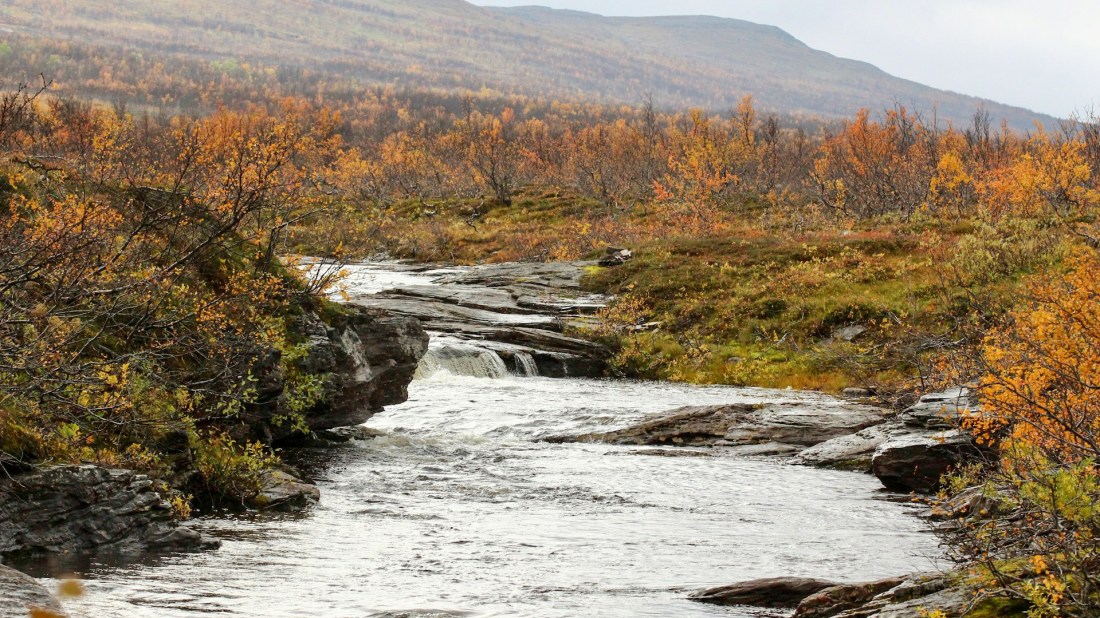
A rocky river with small waterfalls flowing through an autumn landscape in Finnmark, Norway. The scene is framed by birch trees with golden-yellow leaves, whilst rugged mountains form the backdrop. The river cascades over dark bedrock, creating white rapids. Photo by Arvid Hรธidahl on Unsplash.

https://open.spotify.com/episode/42CLzA0rIjVKUvpE27eTPf What happens when Pacific salmon invade Atlantic waters? How does a Soviet-era experiment from the 1950s continue to impact Norwegian rivers today? Weโ€™re answering these questions in conversation with Jude Isabella, founder and editor-in-chief of Hakai Magazine, and author of multiple books including Salmon: A Scientific Memoir. This episode was inspired by her three-week … Continue reading 194: Pink Salmon Invasion on Norwegian Rivers with Jude Isabella

191: Rewilding Myths and Misconceptions with Ian Parsons

Book cover of 'Great Misconceptions: Rewilding Myths and Misunderstandings' edited by Ian Parsons. The cover features a nature photograph of golden grass or wheat stalks backlit by sunlight, creating a warm, ethereal atmosphere. The text is overlaid on a dark navy blue panel at the bottom of the image.

https://open.spotify.com/episode/3EJuOQQZYq7IDewk89lFrQ?si=2e974059d8234521 What exactly is rewilding? Does it simply mean bringing back wolves, lynx and bears, or is there more to it? Can we balance food production and rural community needs with land left to natural processes and wildlife conservation? To answer these questions, I talk with Ian Parsons, editor of "Great Misconceptions: Rewilding Myths and … Continue reading 191: Rewilding Myths and Misconceptions with Ian Parsons

Conservation Grazing: Balancing Food Production and Biodiversity

Elise Sutton on the left, a smiling woman in outdoor attire with a colourful knit hat, standing next to a large, shaggy-coated Highland cow in a grassy field. Elise is resting her hand on the cow's back. The cow, with impressive curved horns, stands prominently in the centre. The backdrop shows bare trees and a clear sky, suggesting a crisp autumn or winter day on a farm or rural setting.

Conservation grazing is an increasingly popular approach to land management that's catching on across the UK. It's a method that uses livestock to meet conservation objectives, primarily by removing dominant vegetation to allow threatened species of plants, birds and insects to thrive. This technique is becoming more common on nature reserves throughout the country, with … Continue reading Conservation Grazing: Balancing Food Production and Biodiversity