210: The Culling Conundrum with Ryan Davy

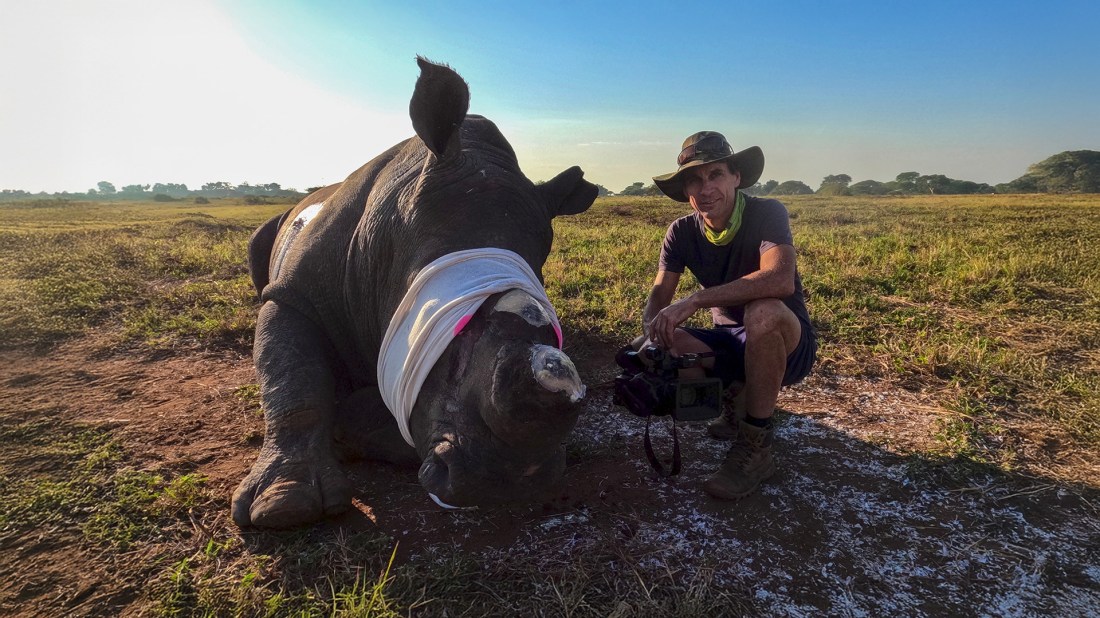
A wildlife researcher or veterinarian kneels beside a sedated rhinoceros in an African savanna setting. The rhino is lying on its side with white bandaging wrapped around its head area where its horns have been removed as part of anti-poaching conservation efforts. The person, wearing a wide-brimmed hat, dark shirt, and shorts, appears to be monitoring the animal during the dehorning procedure. The scene takes place during golden hour with expansive grasslands stretching to the horizon under a partly cloudy sky, creating a dramatic backdrop for this crucial wildlife conservation work aimed at protecting rhinos from poachers.

https://open.spotify.com/episode/4lQrHB9lkIWzArwCA6h2Qc Why are elephants dying slow deaths from starvation in African parks? Can contraceptives really solve wildlife overpopulation in fenced reserves? What happens when international animal rights organisations influence conservation decisions from thousands of miles away? These are the uncomfortable questions at the heart of one of conservation's most contentious debates. https://www.youtube.com/watch?v=8BCi3d_eWH4 Ryan Davy spent … Continue reading 210: The Culling Conundrum with Ryan Davy

209: Beavers vs Salmon – Balance the Scales with Rob Needham

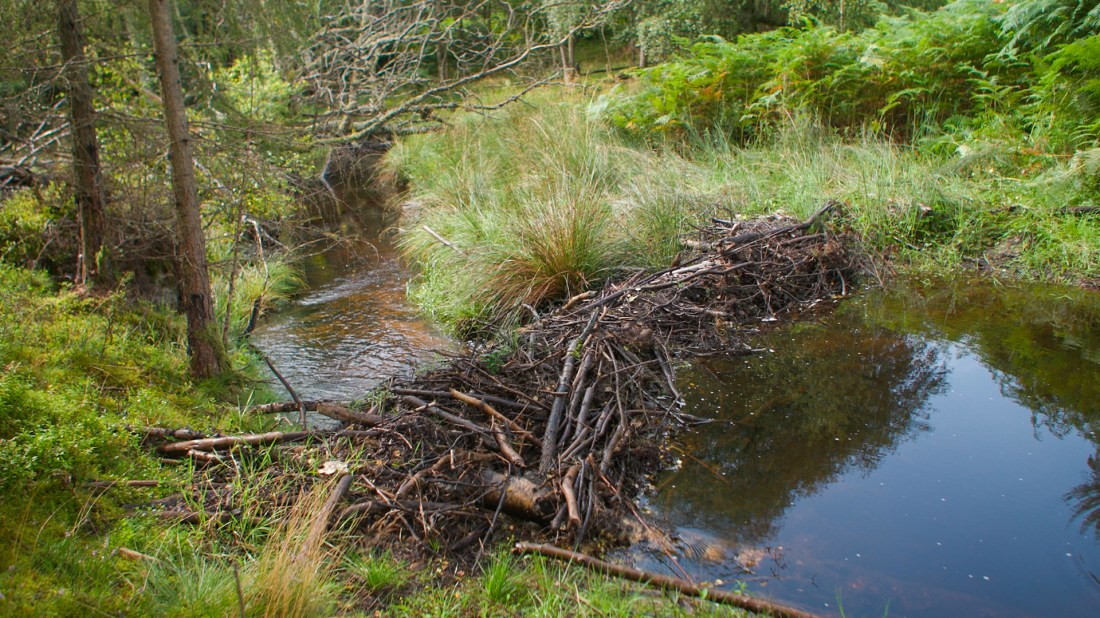
This image shows a beaver dam in a natural woodland setting. The dam is constructed from intricately woven branches, twigs, and logs that the beavers have gathered and arranged to block the flow of a small stream or creek. You can see how the structure has created a pond on one side, with calm, reflective water, whilst on the other side there's still flowing water continuing downstream.

https://open.spotify.com/episode/2K6kymjt1W2diGncubxAil Can beavers save Britain's dying rivers? Are these ecosystem engineers the key to reversing the catastrophic decline of Atlantic salmon, or do their dams create impassable barriers for struggling fish populations? With salmon numbers plummeting by 70% in just 20 years and predictions they could vanish entirely within two decades, the stakes couldn't be … Continue reading 209: Beavers vs Salmon – Balance the Scales with Rob Needham

208: Encounters with Corvids – Fionn ร“ Marcaigh

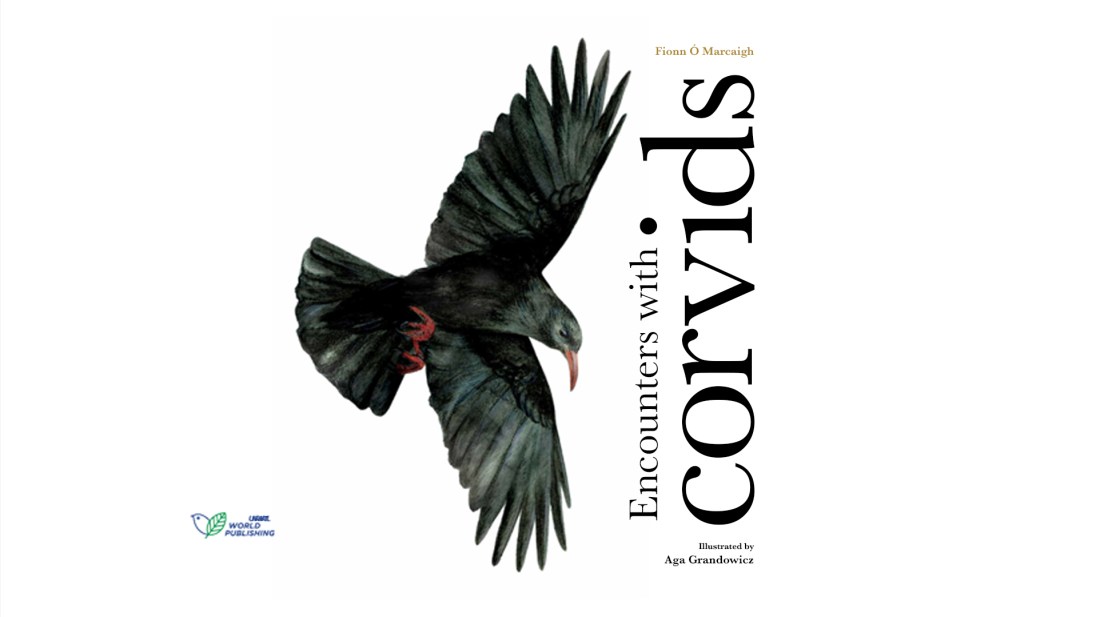
This image shows the cover of a book titled "Encounters with Corvids" by Fionn ร“ Marcaigh, illustrated by Aga Grandowicz. The cover features a striking black corvid (likely a crow or raven) in flight against a white background, with its wings spread wide and red-orange colouring visible on parts of its head and beak. The bird is captured mid-flight, creating a dramatic and dynamic composition. The title text is arranged vertically along the right side in large, bold black lettering, with the author's name at the top and illustrator's credit at the bottom. A small publisher's logo for "World Publishing" appears in the bottom left corner. The overall design is clean and minimalist, allowing the beautiful illustration of the corvid to be the focal point of the cover.

https://open.spotify.com/episode/5Pht7RD2TdqzZEnx0n8EYz Are corvids overabundant pests or are they simply survivors in landscapes we've shaped? Why do these birds seem to look at us as intently as we look at them? What can ravens teach us about intelligence that might humble our sophisticated intelligence tests? This episode explores the world of corvids, from the familiar rooks … Continue reading 208: Encounters with Corvids – Fionn ร“ Marcaigh

207: Land Access and Irish Trails with John Smyth

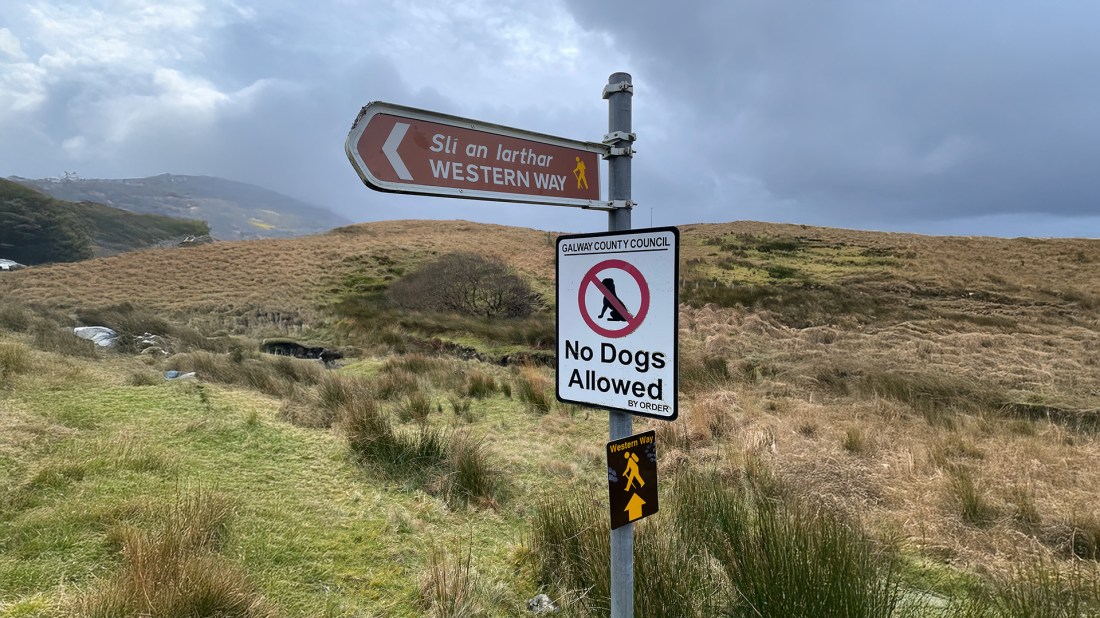
A directional sign for the Western Way (Slรญ an Iarthar) walking trail points left across a rugged Irish landscape of golden-brown moorland and rolling hills. Below it, a Galway County Council sign prohibits dogs from the area. The countryside stretches into the misty distance under an overcast sky, with patches of green grass in the foreground and traditional Irish stone walls visible amongst the heath.

https://open.spotify.com/episode/155i19XSryH8hPBTiiQ7NU Why are no trespassing signs appearing on Irish mountains that hikers have accessed for decades? Can walkers really sue farmers when they injure themselves on private land? What happens when busloads of tourists arrive at remote trailheads with no permission from landowners? Our guest John Smyth, a hiker with 20 years' experience in Connemara … Continue reading 207: Land Access and Irish Trails with John Smyth

206: The Real Yellowstone

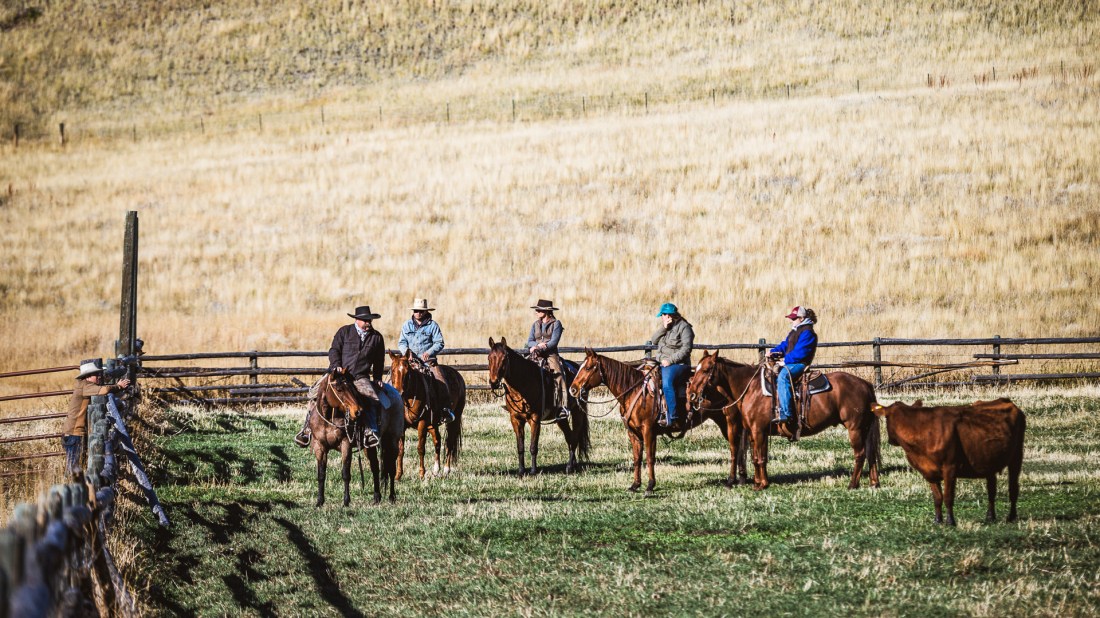
A group of five ranch hands on horseback gathered near a wooden fence in a pastoral setting. The riders, wearing traditional cowboy hats and work clothing, are mounted on brown and chestnut horses in what appears to be a working ranch environment. The scene is set against a backdrop of golden, dried grassland with a rustic wooden post-and-rail fence visible in the foreground. The lighting suggests either early morning or late afternoon, creating a warm, atmospheric quality typical of ranch life in rural countryside.

https://open.spotify.com/episode/6PRw63zHrbry4RaVX0UGc1 Why is the farming community so opposed to the American Prairie Foundation's rewilding vision? Can ranchers and conservationists find common ground when grizzly bears are eating cattle and wolves are reducing elk herds? What happens when well-meaning conservation efforts clash with rural communities who've worked the land for generations? https://www.youtube.com/watch?v=6MBo2Xrh1j4 To explore these contentious … Continue reading 206: The Real Yellowstone

205: The Rewildlife with Jack Morley

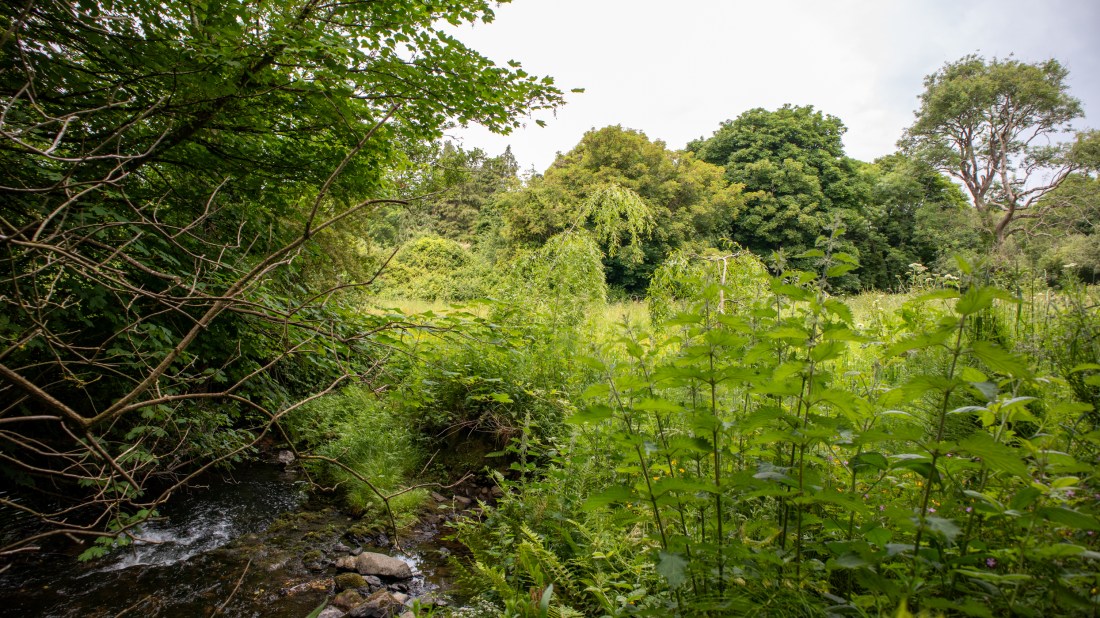
This image shows a lush, verdant riverside scene with dense vegetation and mature trees. In the foreground, a small stream or river flows over rocks and stones, creating a natural waterway. The banks are thick with green foliage, including what appears to be large-leafed plants and various shrubs. Towering above are established trees with full canopies, creating a layered woodland environment. The scene has the characteristic emerald green appearance of Irish countryside, with the rich, saturated colours that come from frequent rainfall and mild temperatures. The lighting suggests either early morning or late afternoon, with soft natural light filtering through the tree canopy. The overall composition captures the wild, untamed beauty of Ireland's natural landscapes, where waterways wind through dense woodland and native vegetation flourishes.

https://open.spotify.com/episode/4Ct1xX7JA00qrYzHcQ0Dln Why are people so opposed to the term "rewilding" when it can inspire action for nature restoration? How can we communicate conservation issues without alienating the very people we need to reach? And what happens when a creative professional decides to transform four fields in Wicklow into a biodiversity haven while documenting every step … Continue reading 205: The Rewildlife with Jack Morley

204: The Elephant Translocation Disaster with Jens Ulrik Hรธgh

A group photo of approximately 20 Black people from a rural African community, including adults and children, standing and sitting together in a lush agricultural field. The group appears to be a farming community, with people of various ages wearing casual clothing in bright colours including orange, blue, yellow, and traditional patterned fabrics. In the foreground and surrounding the group are green crops including what appears to be maize plants and other vegetables. The setting suggests a rural farming area with rich, fertile soil. On the right side of the group stands a white journalist with glasses wearing olive-green clothing. The sky overhead is partly cloudy, and there are trees visible in the background. The image captures what appears to be a community gathering or visit to showcase local agricultural work.

https://open.spotify.com/episode/7M2rtUYPfW5shNdwOgzjTb How does a wealthy animal welfare organisation, funded by well-meaning donors from Europe and North America, end up relocating hundreds of elephants to an area where some of the world's poorest people live? What happens when two people are killed within 24 hours of the first four elephants arriving, yet the organisation presses on … Continue reading 204: The Elephant Translocation Disaster with Jens Ulrik Hรธgh

203: TB in Deer: An Irish Hunter’s Guide to the Uncomfortable Reality

Mycobacterium tuberculosis bacteria, the pathogen responsible for causing the disease tuberculosis (TB). A 3D computer-generated image. Photo by CDC on Unsplash.

https://open.spotify.com/episode/7cWJdowrsN2QuCqk9V1V3y Is TB in deer a growing concern for Irish hunters? What happens when you shoot a deer infected with TB, and what are the realities from a hunter's perspective? In this episode of the Conservation and Science podcast, we dive into the contentious topic of bovine tuberculosis in deer - an issue I've attempted … Continue reading 203: TB in Deer: An Irish Hunter’s Guide to the Uncomfortable Reality

202: Uncommon Ground with Patrick Galbraith

The image shows a book cover for "Uncommon Ground" by Patrick Galbraith. The cover features an orange torn paper effect against a pastoral English countryside background with green fields, trees, and a small river or pond. A cow grazes in the foreground, and there's a wooden fence visible. The subtitle reads "Rethinking our relationship with the countryside" and includes a quote at the bottom from Richard Smyth describing it as "Intelligent and provocative, a raking survey of England."

https://open.spotify.com/episode/2ME1jr6gLkgEAYzqvATDKZ Are we being locked out of the countryside, or is the narrative around land access more complex than it seems? How can we navigate the competing demands of farmers, conservationists, and recreational users? In Patrick's new book "Uncommon Ground: Rethinking Our Relationship with the Countryside", he tackles the contentious topic of land access in … Continue reading 202: Uncommon Ground with Patrick Galbraith

201: Rewild Your Land with Pรกdraic Fogarty

The image shows a misty rural landscape with a prominent oak tree in the foreground. The scene is bathed in fog, creating a dreamlike atmosphere as the mist hangs over the meadow. In the foreground, there's tall golden grass interspersed with some wildflowers or weeds. Behind this is a wire fence with wooden posts marking a boundary. The oak tree stands majestically in the middle ground, with a full, spreading canopy of green leaves. Around it are other smaller trees and shrubs, partially obscured by the fog. The background shows more trees fading into the dense fog, giving the whole scene a layered, atmospheric quality. The lighting suggests early morning, with the fog likely to burn off as the day progresses. The overall impression is one of peaceful countryside, possibly in Britain or Ireland, with the characteristic hedgerows and field boundaries visible through the mist.

https://open.spotify.com/episode/01cXWsODPTb1IyFJDITvJe What does it mean to 'rewild' a landscape in Ireland, one of Europe's most nature-poor countries? Can rewilding coexist with traditional farming practices, or must we choose between them? How do we balance the need for biodiversity recovery with the cultural and economic realities of rural communities? These questions are at the heart of … Continue reading 201: Rewild Your Land with Pรกdraic Fogarty