
Author: Tommy Serafinski
-
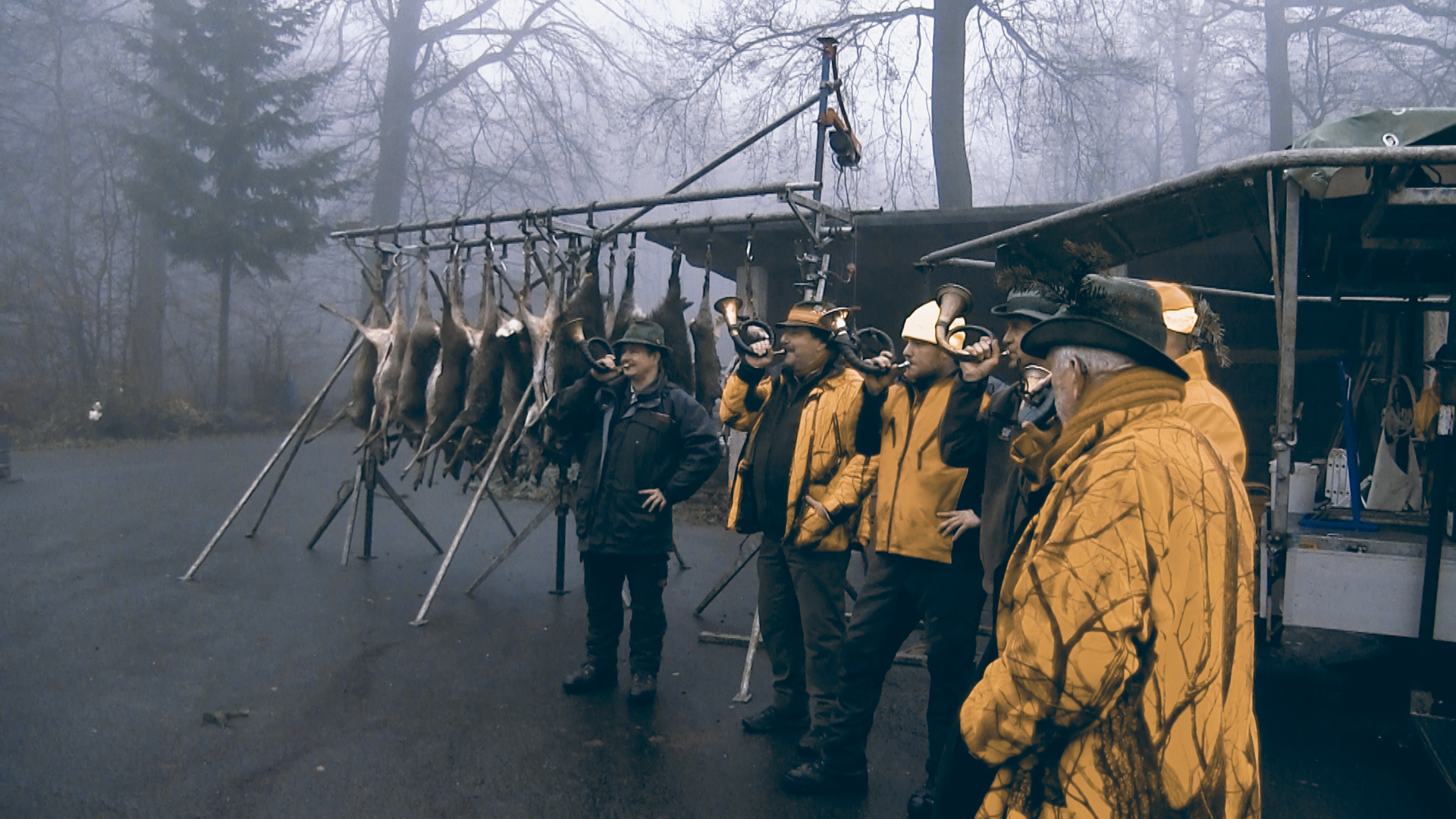
195: Can Hunting Foster Environmental Stewardship? Conversation with Thorsten Gieser
What makes someone kill an animal and still claim to care deeply about nature? Can the act of hunting foster environmental stewardship? These somewhat provocative questions lie at the heart of my conversation with Thorsten Gieser, an anthropologist studying hunting practices and their deeper meaning in modern society. Our discussion explores the complex emotional landscape of hunting and challenges common misconceptions about hunters taking pleasure in killing. Through personal accounts and research findings, Thorsten explains how the difficult experience of…
-
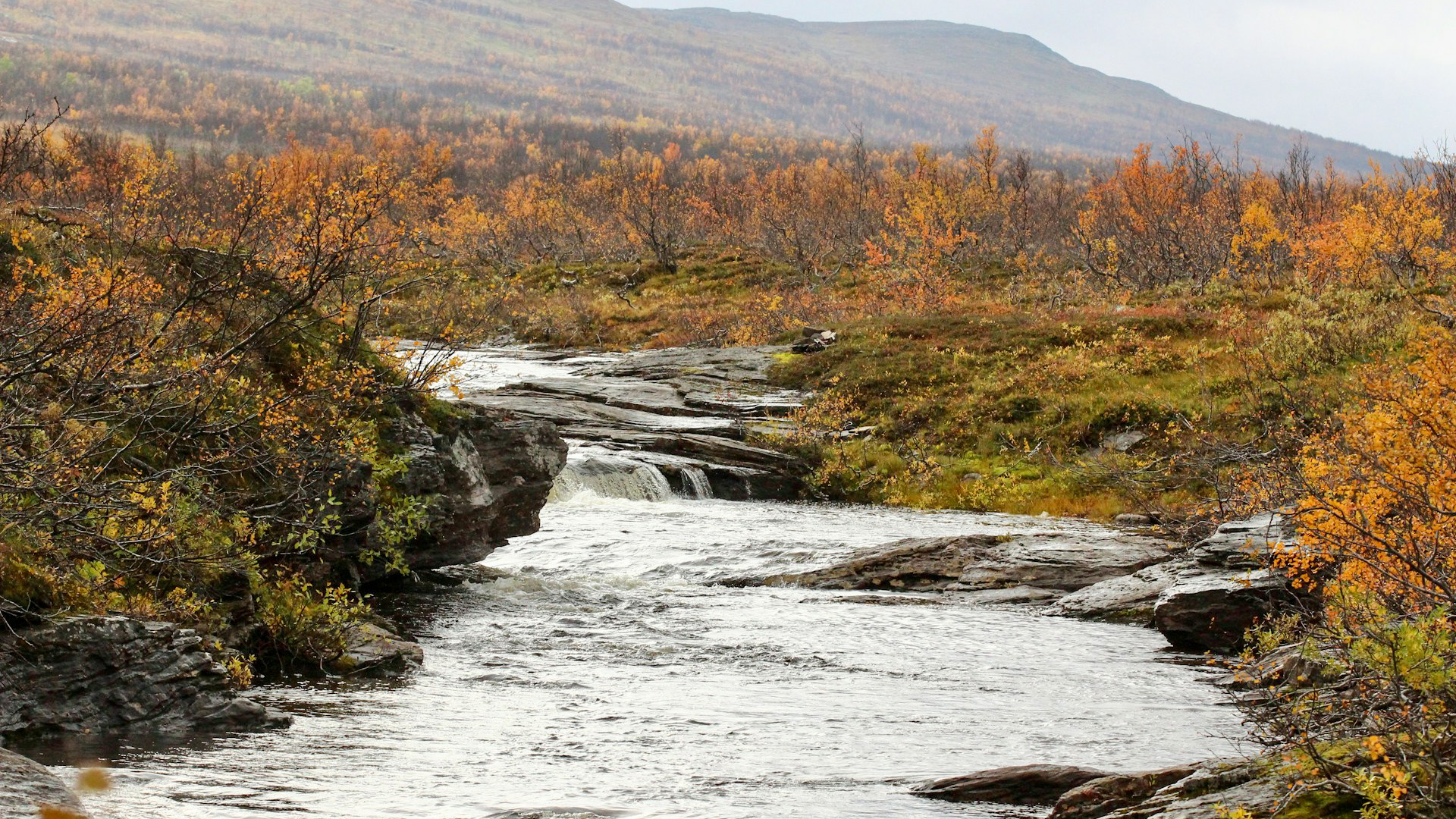
194: Pink Salmon Invasion on Norwegian Rivers with Jude Isabella
What happens when Pacific salmon invade Atlantic waters? How does a Soviet-era experiment from the 1950s continue to impact Norwegian rivers today? We’re answering these questions in conversation with Jude Isabella, founder and editor-in-chief of Hakai Magazine, and author of multiple books including Salmon: A Scientific Memoir. This episode was inspired by her three-week journey along Norway’s border with Russia, documented in her article ‘Where the Rivers Run Pink’. The article tells the complex story of pink salmon that have…
-
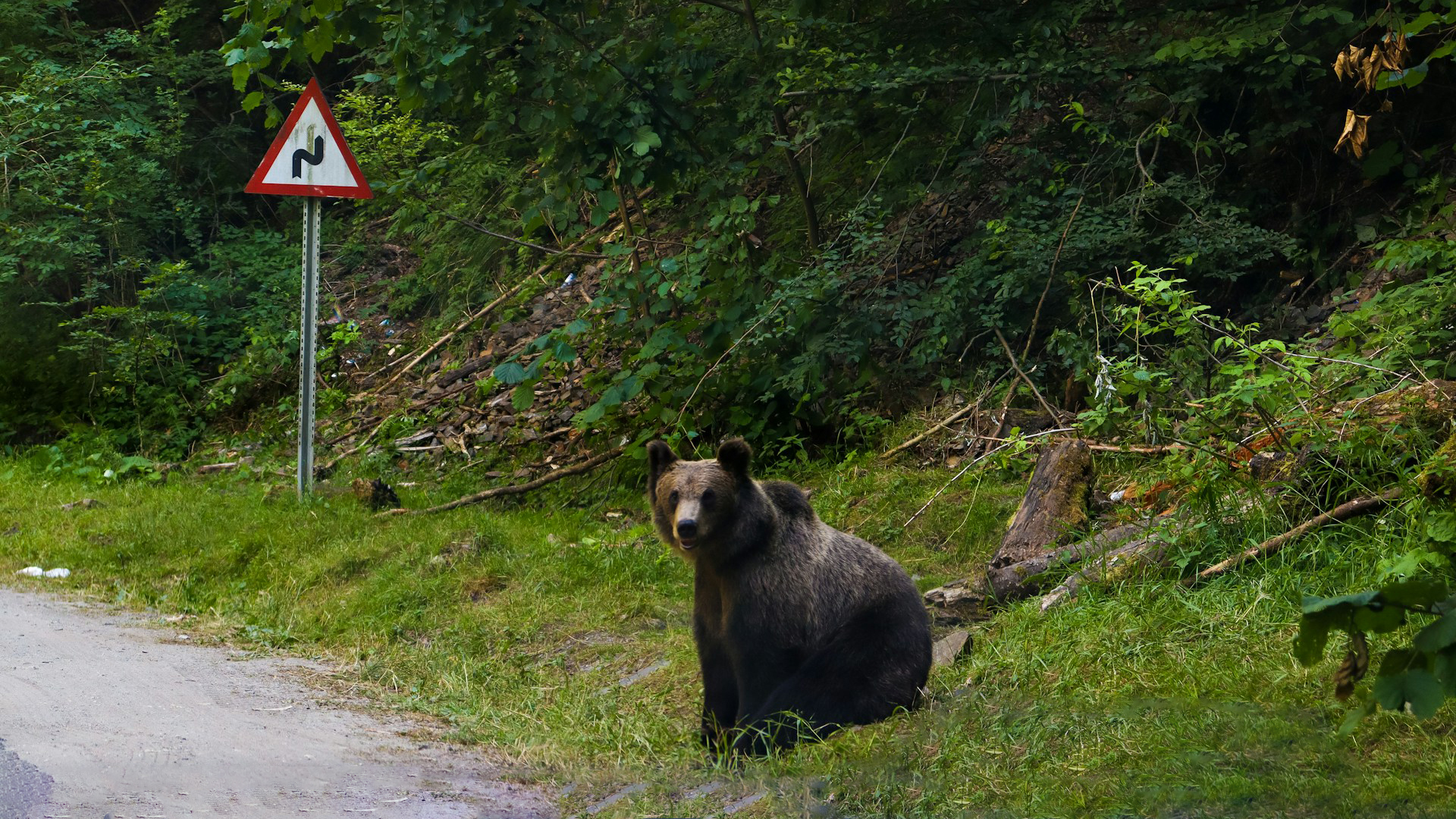
193: Human-Wildlife Conflict – Romanian Bears and African Elephants with Jens Ulrik Høgh
Can hunting be an effective way to manage human-wildlife conflict? What happens when well-intentioned wildlife protection measures backfire? I spoke with Jens Ulrik Høgh, a Scandinavian hunting journalist, to find answers to these questions through the lens of Romania’s bear management crisis. When hunting was banned in 2016 under pressure from animal rights groups, it led to an unexpected surge in human-wildlife conflict, with 300 people being mauled and 26 killed by bears that had lost their fear of humans.…
-

Conservation and Science 2024 Recap
If you’re new to the podcast or would like to refresh your memory of last year’s episodes, here’s a recap of all the episodes from 2024. Which was your favourite? Reply to this email and let me know.
-

Christmas Wishes and a Peek into 2025
Unlike many podcasters who take a break over Christmas, I’m not taking breaks. Instead, as I do every year, I’m publishing a special episode with seasonal wishes and, most importantly, with a big thank you to all of you for being here with me, subscribing to the podcast whether on a podcast app or YouTube and particularly for signing up to my newsletter. I would also like to welcome new subscribers as well as give big shout-outs to those of…
-
Let’s Talk About Europe’s Wolf Protection Laws
As you may have heard, the Standing Committee of the Berne Convention (an international legal instrument for nature conservation) decided to lower the protection status of wolves. This opens the way to lower their protection status across the EU through the Habitats Directive. The move had been on the cards for over a year, and I covered it extensively on my podcast in episode 163 last November. Back then, I spoke to five experts: scientists working in the fields of…
-

192: EU Green Policy – The Science-Politics Divide with Faustine Bas-Defossez
How much influence do personal experiences of high-ranking officials have on EU environmental policies? What happens when science-based conservation collides with political interests? Can farmers and environmentalists find common ground in nature restoration? In this episode, I talk to Faustine Bas-Defossez, Director for Nature, Health and Environment at the European Environmental Bureau (EEB), who provides insights into the complex world of EU environmental policymaking. In our conversation, we discuss several pressing environmental issues, including the recent changes to the Common…
-
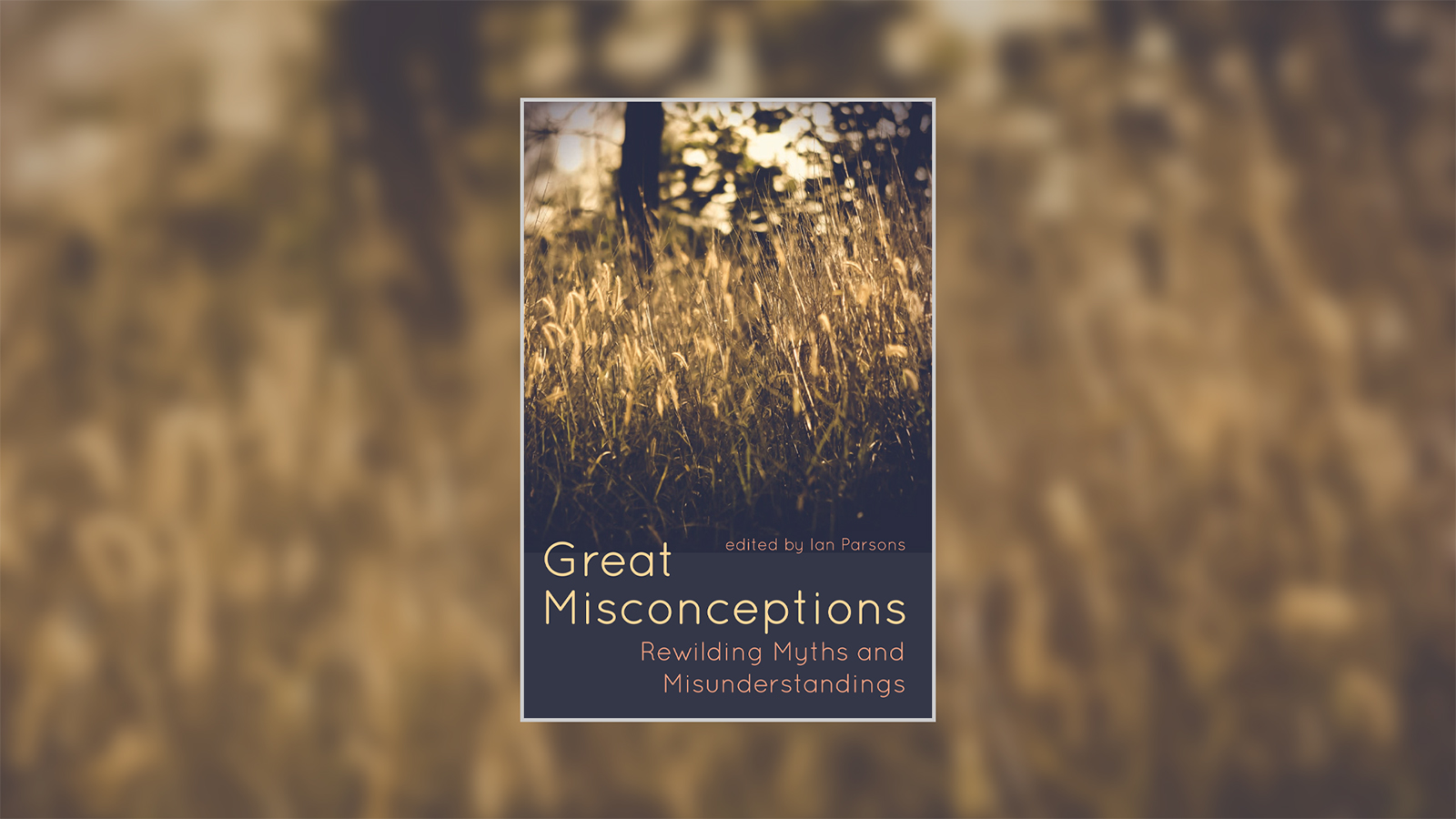
191: Rewilding Myths and Misconceptions with Ian Parsons
What exactly is rewilding? Does it simply mean bringing back wolves, lynx and bears, or is there more to it? Can we balance food production and rural community needs with land left to natural processes and wildlife conservation? To answer these questions, I talk with Ian Parsons, editor of “Great Misconceptions: Rewilding Myths and Misunderstandings”, a new book that explores common assumptions and misconceptions about rewilding. In our discussion, we address aspects of rewilding that are often misunderstood or misinterpreted,…
-

190: The Geopolitics of Whale Conservation with Peter Corkeron
Is the resumption of commercial whaling inevitable? What hidden geopolitical forces are shaping international whale conservation efforts? Let’s dive (pun not intended) into the complex world of whale conservation with marine scientist Dr Peter Corkeron. In our conversation, Peter uncovers the surprising connections between military bases, national security, and the fate of the world’s largest mammals. From the history of industrial whaling to the current state of whale populations, our guest provides a comprehensive overview of the challenges facing whale…
-

Scottish Salmon Industry’s Environmental Nightmare Exposed
Scotland’s salmon farming industry aims to double its production to 300,000-400,000 tonnes by 2030. This ambitious target comes despite a 2018 parliamentary inquiry concluding that expansion shouldn’t proceed until environmental and welfare issues are addressed. As we examine the industry more closely, the problems become increasingly apparent, and they’re far more serious than most consumers realise. In Scottish salmon farms, 25% of fish die before harvest. This staggering mortality rate would be unacceptable in any other farming sector, yet it…